
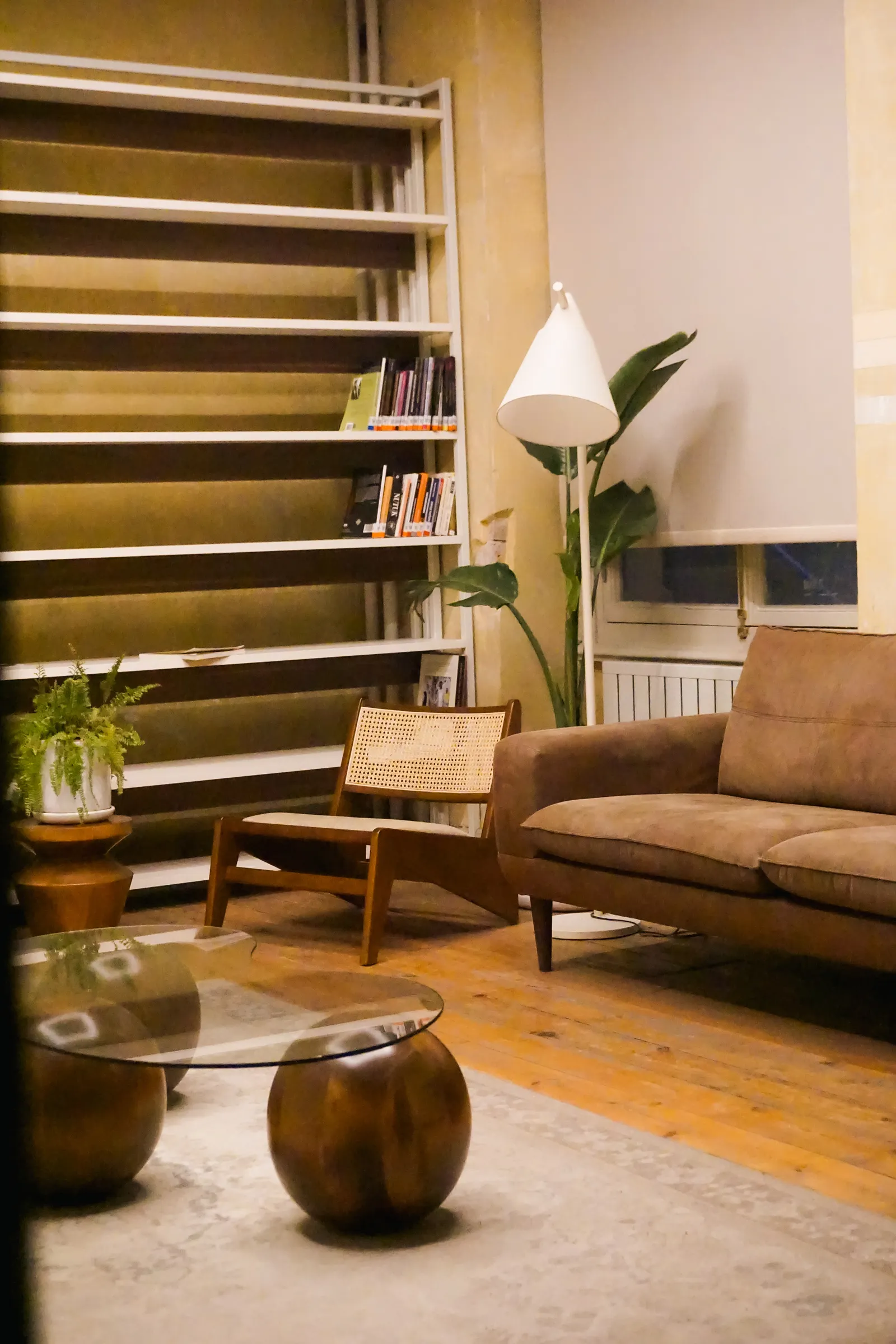
The cost of designing a bedroom is different from the cost of furnishing and finishing it. A useful quotation separates those commitments and explains the decisions the designer will resolve. Start with the room’s use and existing condition: a new colour scheme around retained furniture is a different task from fitted storage, a dressing area and coordinated services. This guide offers a budgeting method, not an unverified price range.
Define the bedroom you are actually planning
Write whether the room is for one person, two people, children or occasional guests, and list functions beyond sleeping. Include dressing, reading, work and storage where relevant. Identify the bed or wardrobe that must stay, with actual dimensions. Ask whether the design includes adjoining dressing or bathroom areas, since the room name can hide those boundaries. A clear functional brief prevents a quotation for simple furnishing from being mistaken for the price of a complete bedroom suite.
Separate the professional fee
Ask which design outputs are included: layout options, visualisations, finish choices, wardrobe elevations, lighting coordination or a shopping list. Identify measured surveys, revisions and site visits separately if they are not included. Request a sample of the most important output, particularly for custom storage. If you only need advice about colours and furniture, ask for that narrower service explicitly. Paying for a larger package is useful only when its extra work addresses decisions you actually need to make.
Build the purchase list by component
List the bed frame, mattress, bedside storage, wardrobe, curtains, lighting, rug and accessories separately. Add quantities, dimensions and whether each item is retained, new or undecided. Do not assume the bed price includes the mattress or that a wardrobe headline includes all internal fittings. Ask the supplier to identify the complete configuration. IKEA’s Saudi customer-service information distinguishes products from delivery and installation services; apply the same question to each supplier rather than assuming identical terms.
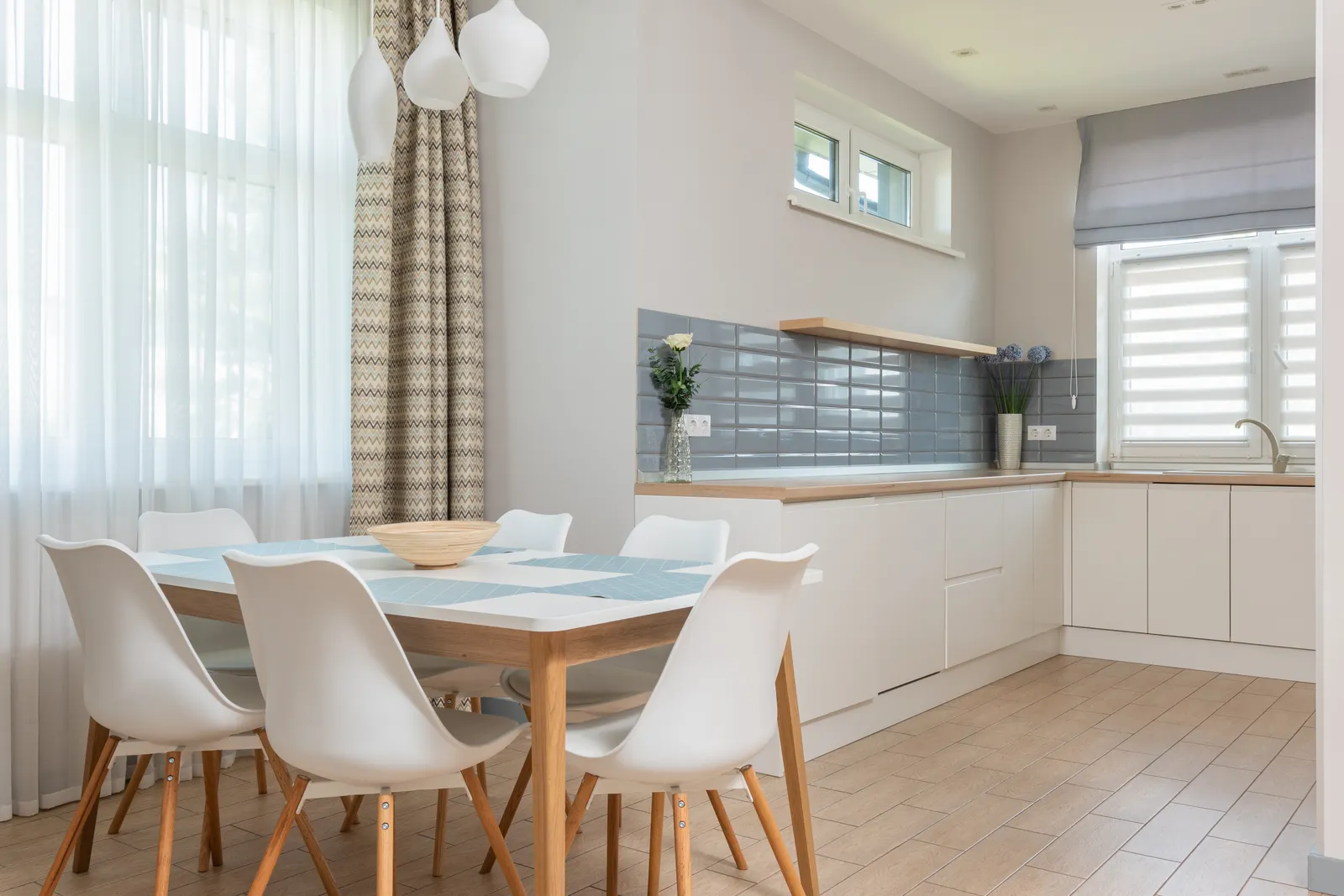
Price fixed work separately
Custom wardrobes, wall treatments, ceiling changes and electrical work should be described clearly enough for the relevant supplier or contractor to quote. Ask who verifies dimensions and coordinates the fixed items with the bed and doors. Technical work belongs with qualified people and the applicable project review. Avoid choosing a dramatic headboard before knowing its depth and effect on circulation. A design that looks simple can still involve several trades, so list those interfaces rather than grouping everything as decoration.
Compare two realistic scopes
Consider a hypothetical room with a retained bed. One option refreshes curtains, paint and bedside lighting. Another replaces the wardrobe with a custom unit and adds a dressing surface. Compare the additional usefulness and complete costs, not merely the appearance of the images. If budget is limited, prioritise the problem that causes daily inconvenience. You may stage decorative purchases while resolving necessary storage first, provided the first phase does not create waste when the later work begins.
Leave room for completion costs
Include delivery, assembly, removal of unwanted furniture, protection of retained items and any temporary room arrangements. Ask about order timing and whether the room must be empty for measurement or installation. Keep a reserve based on actual uncertainties rather than a universal percentage. Before committing, reconcile the design fee, purchases and works into one total with confirmed inclusions. A bedroom budget is complete when it explains how the room becomes usable, not only how the main pieces are bought.
Your practical checklist
- Separate design, furniture and fixed work.
- Record retained pieces with dimensions.
- Check the full bed and wardrobe configuration.
- Include delivery, installation and removal.
- Compare a complete usable room against your budget.
Frequently asked questions
Does the design fee include the bedroom furniture?
Only if the quotation explicitly says so. Request separate values for design, products and installation to avoid confusing professional work with purchases.
Can a small bedroom cost more to design?
Its area alone does not define the work. Complex storage or several competing uses may need more development than a larger room with a simple arrangement.
What should I postpone if the budget is tight?
Compare items by daily usefulness and dependencies. Decorative accessories may be easier to stage than work that requires dismantling finished elements later, but the right sequence depends on your room.
Sources and further reading
Sources support the specific facts identified below. Planning examples and checklists are editorial guidance; photographs are illustrative.
- IKEA Saudi Arabia — Customer service FAQ — Supplier distinguishes products and supporting services.