
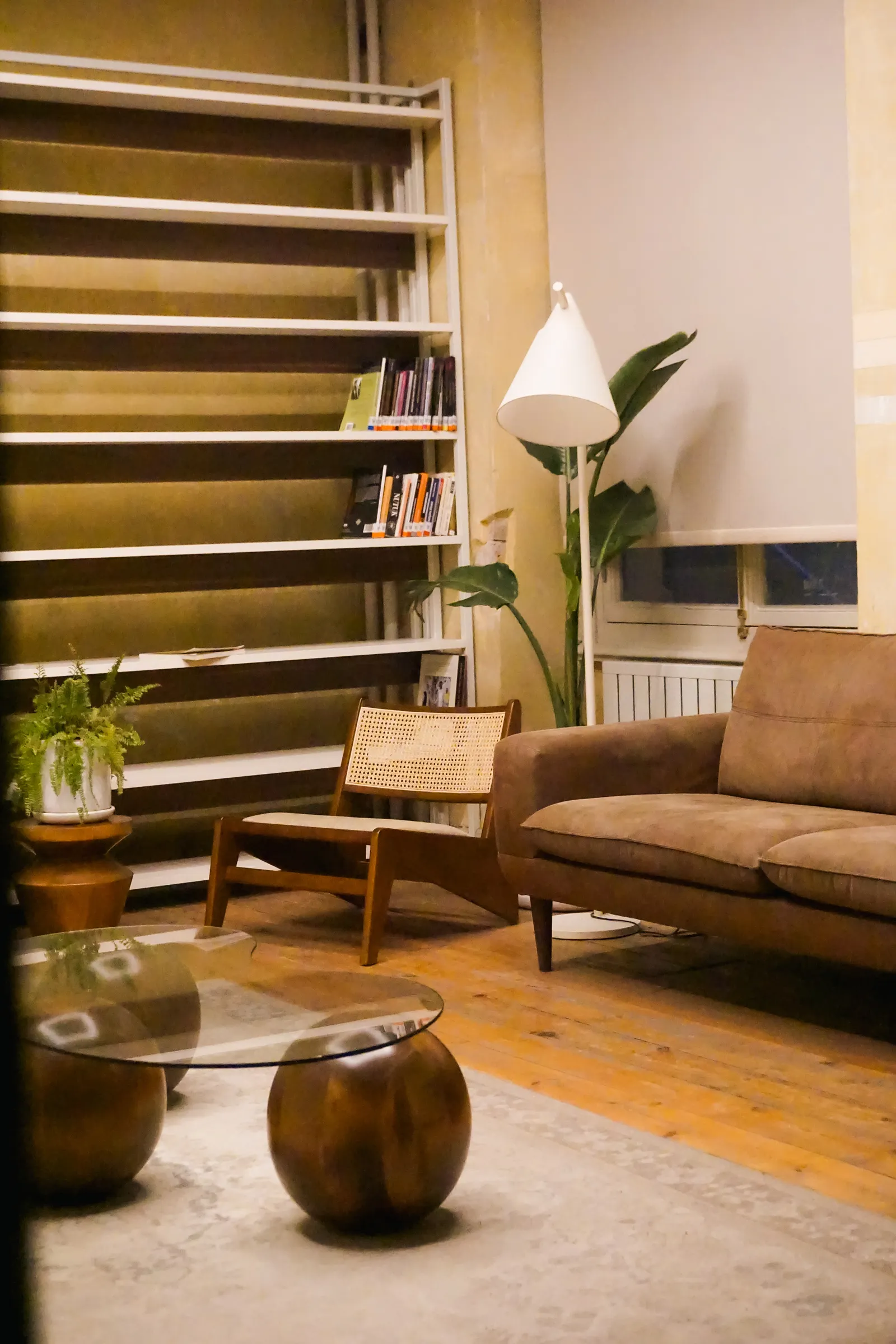
The best interior paint colour is a decision made in the room, with the materials and people who will live with it. A widely shared photograph can help you describe a preference, but it cannot show your floor, furniture or evening lighting. Begin by deciding what the walls should do: provide a quiet background, support a particular piece or introduce a stronger identity. That purpose makes a large colour catalogue easier to narrow into a useful shortlist.
Write a short room brief
Describe the room’s main activities, the time of day it is used and the feeling you personally want from it. Use concrete preferences such as a quieter background for artwork or a more defined dining area, rather than relying only on words like elegant. Ask other regular users which existing features they want to retain. A shared brief does not require everyone to love the same colour immediately; it gives the household a fair way to judge the samples against agreed priorities.
Collect the materials that remain
Set out references for flooring, curtains, upholstery, doors and any large fixed surfaces. Decide which one has the strongest visual presence and which colours are already repeated. Start the shortlist from those relationships. If you plan to replace a major item soon, clarify its direction before treating the existing colour as permanent. Avoid approving wall paint in isolation and then discovering that every retained surface seems to require replacement to support it. The sample discussion should include the room you actually own.
Shortlist genuinely different options
Choose a small set that tests meaningful alternatives, such as a warmer background, a cooler background and a more coloured direction. Label each sample with the exact reference and the reason it was included. Comparing many nearly identical chips at once can make the decision less clear. Jazeera Paints’ official catalogue library offers organised colour references, including white and off-white collections; use such resources to find candidates, then assess them in your room rather than treating the catalogue grouping as a recommendation for every home.
Set up a useful sample review
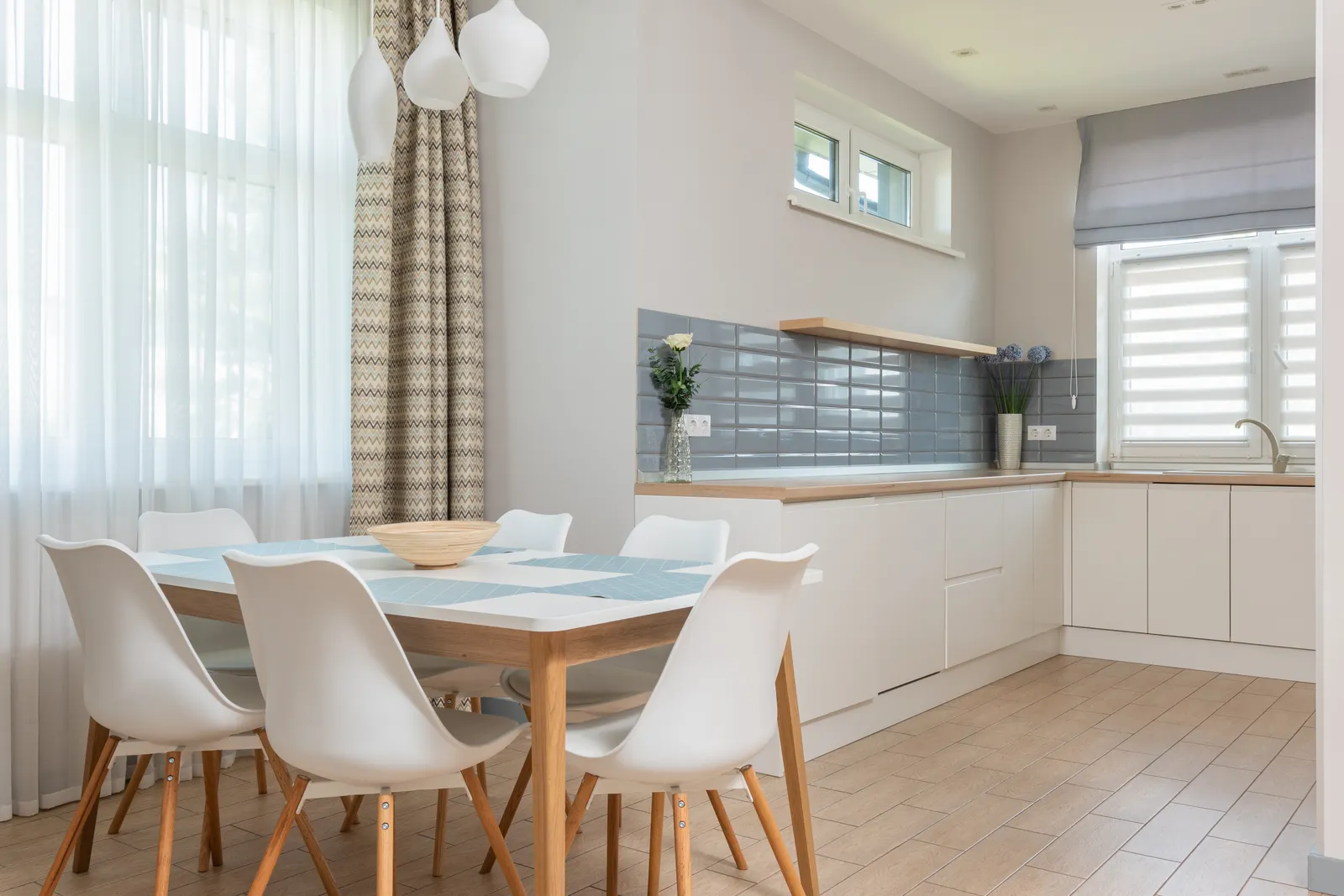
Arrange appropriate physical samples using the intended product and finish, with the painter or supplier advising on preparation. View them beside the retained materials and from the places where people normally sit or enter. Check the room at the times it is actually occupied, rather than inspecting only under showroom lighting. Record observations before asking everyone for a favourite. A sample may be appealing close up yet too dominant across the intended surface; scale and location belong in the decision alongside the colour name.
Review the view into neighbouring rooms
Stand at doorways and consider which colours are seen together. The living room and corridor may need a clearer relationship than two bedrooms that are never visible at once. You can repeat a background, a trim colour or a related family without making every room identical. Ask whether the transition feels intentional with the existing floor and doors. This wider view prevents a successful isolated sample from becoming an awkward connection when the doors are open and the whole home is experienced as a sequence.
Record the complete paint decision
Approve the manufacturer, colour reference, product, finish and precise surfaces together. Keep a physical sample and a room schedule that the painter can follow. In a hypothetical home, the same preferred neutral might be used in connected rooms while one private room receives a separate colour related to its furnishings. Record that distinction explicitly. A clear schedule prevents an informal phrase such as use the same white from creating uncertainty about ceilings, doors, trims or a different product elsewhere.
Your practical checklist
- Define what the walls should contribute.
- Compare samples with retained large materials.
- Shortlist a few meaningfully different directions.
- Review actual rooms at normal use times.
- Record colour, product, finish and surface boundaries.
Frequently asked questions
Should I choose paint before furniture?
Confirm the direction of major retained or planned pieces first. Wall colours are easier to evaluate when their relationship to those materials is clear.
How many colours should a home use?
There is no required number. Plan the visible relationships and room functions, then use only the distinctions that serve the design.
What if the family disagrees?
Compare samples against the agreed room brief and try different amounts or locations of colour. The disagreement may concern intensity rather than the colour family.
Sources and further reading
Sources support the specific facts identified below. Planning examples and checklists are editorial guidance; photographs are illustrative.
- Jazeera Paints Saudi Arabia — Official catalogues — Short reference to official organised colour catalogues; selection method is original editorial guidance.