
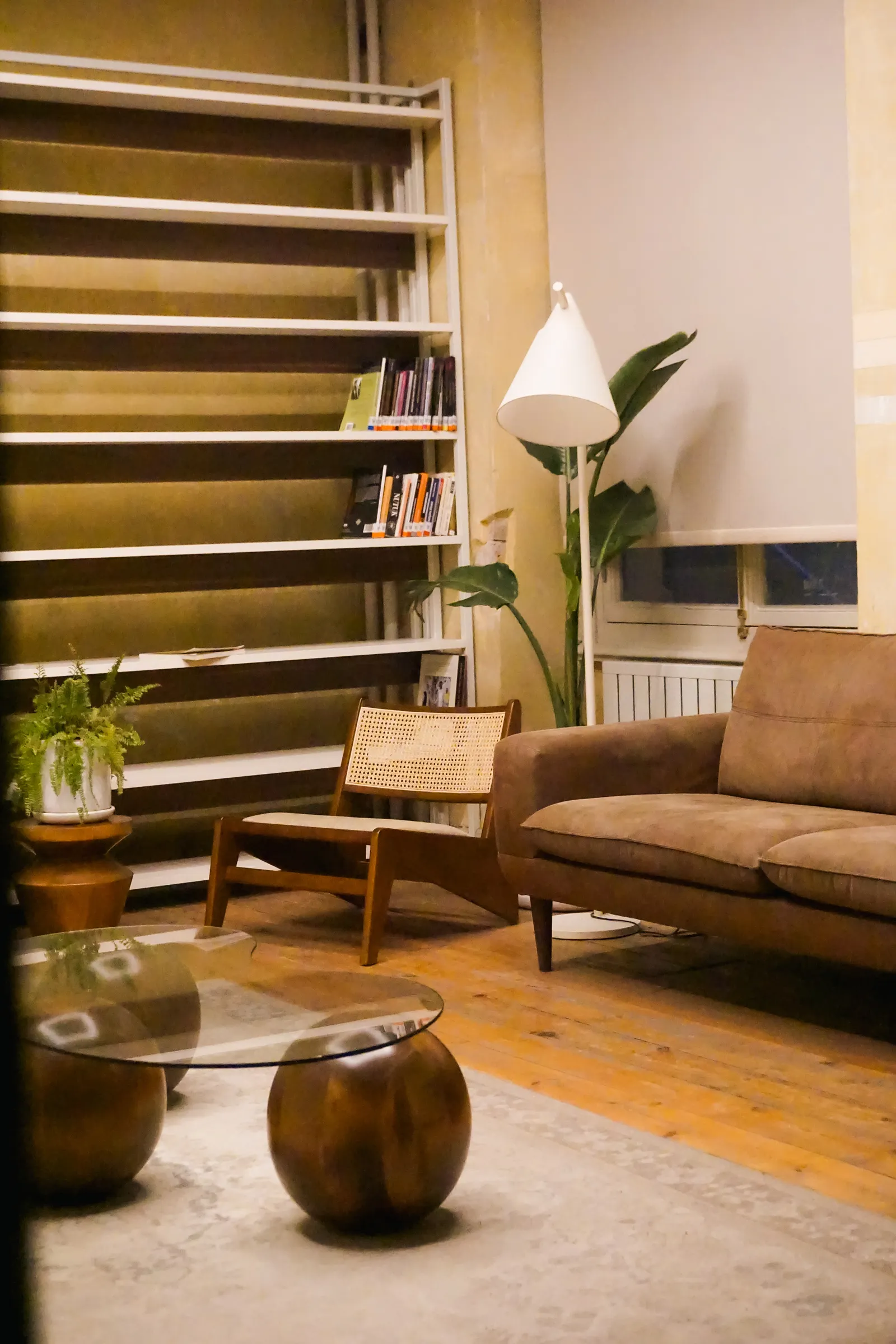
A small living room becomes easier to furnish when you decide what must happen there before choosing the largest sofa that fits. Comfortable seating, clear movement and accessible storage matter more than completing a matching set. Work with the room’s real openings and the activities your family repeats every day. Then test a small number of furniture arrangements as complete solutions, including tables, doors and storage access.
Choose the room’s main job
Decide whether the room mainly supports conversation, television, family play or a mixture of activities. Rank those uses instead of giving each one equal space automatically. If television is occasional, it need not determine every seat. If children play there daily, identify where toys are used and stored. A clear main purpose helps you remove redundant pieces and choose furniture that serves the actual routine rather than reproducing a showroom arrangement.
Measure usable space, not only wall length
Mark doors, windows, fixed elements and the routes through the room. Add furniture at its actual depth as well as width. A sofa that fits the wall can still obstruct the main path or leave no useful place for a table. IKEA’s Saudi sofa guide highlights measuring the room and entry route; treat this as a starting point, then test your complete arrangement. Include the space needed to open storage and use adjacent seats.
Compare fewer substantial pieces with many small ones
Several small pieces can create more visual and physical clutter than a few carefully chosen ones. Compare a sofa with one flexible chair against a full suite, or a storage unit against multiple side cabinets. The answer depends on your needs, not a universal rule that small rooms need tiny furniture. Look at arm thickness, usable seat area and depth. A visually light piece may still occupy considerable floor space, so judge both appearance and footprint.
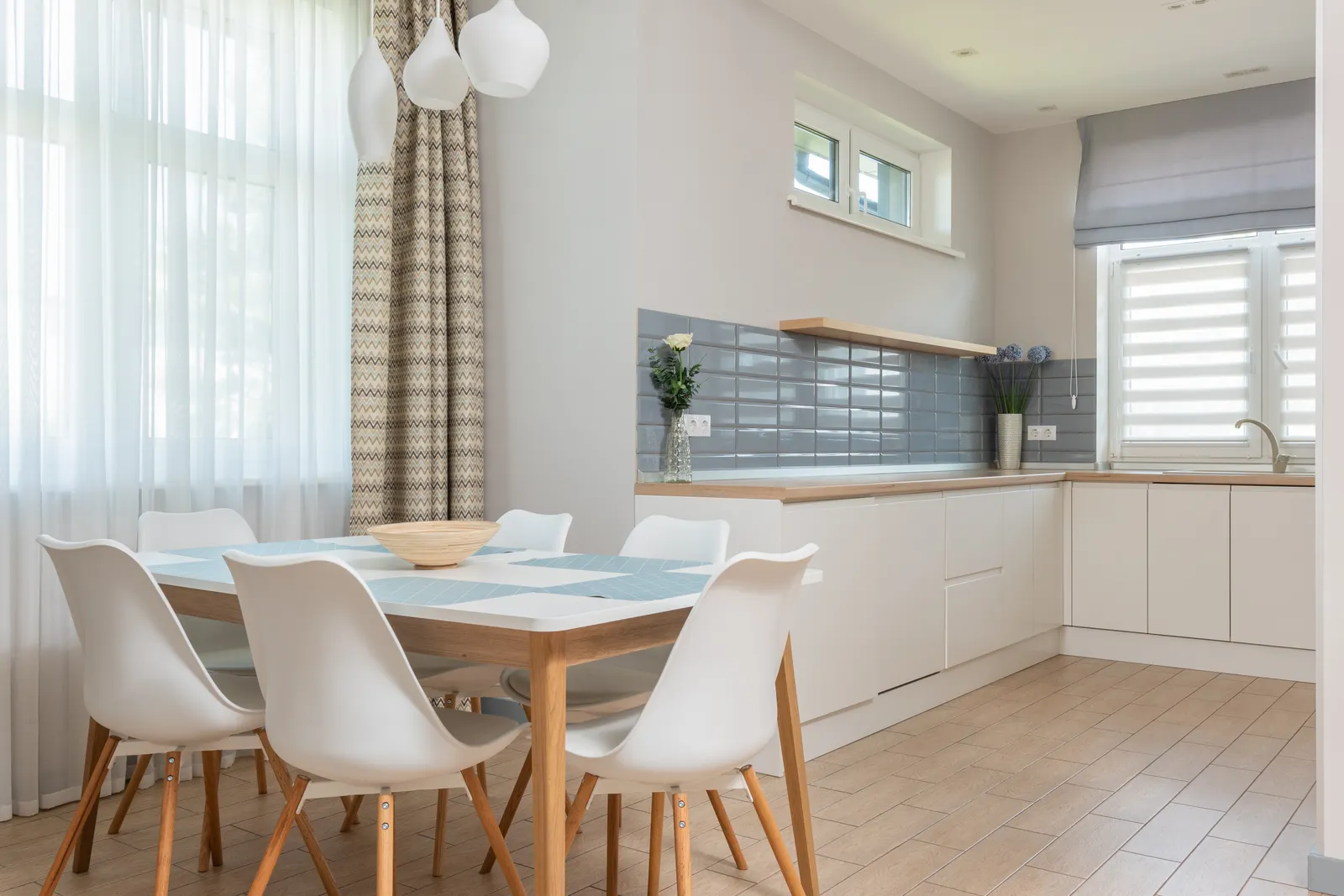
Make storage match the clutter
List what regularly remains in the room: remotes, chargers, books, toys or serving items. Give each category a convenient home instead of adding general storage without knowing its contents. Decide what should be concealed and what can be displayed. Keep frequently used items accessible without moving several objects. If a table or sofa contains storage, test its opening process in the planned position. Hidden storage is useful only when your daily arrangement allows you to reach it.
Use tables and rugs to support movement
A central table is optional if side tables better support your seating and serving habits. Compare shapes using the actual walking route and the places where people sit down or stand up. Choose a rug around the final furniture grouping, not as an isolated purchase that later dictates an awkward layout. Keep the main path legible. The goal is a connected seating area with useful surfaces, rather than an empty centre created by pushing every object against a wall.
Test a real evening before ordering
Imagine everyone using the room at the same time. One person crosses it, another opens a cabinet and someone sets down a drink. Check whether these ordinary actions require repeated furniture moves. Ask for two layout options if the first cannot reconcile the main uses. Confirm product dimensions and the delivery route before purchasing. Leave some flexibility for occasional guests, but avoid permanently crowding the room for a rare event that could use temporary seating.
Your practical checklist
- Rank the room’s daily activities.
- Measure furniture depth and opening space.
- Compare a complete arrangement rather than a matching set.
- Assign storage to actual belongings.
- Test simultaneous use and the delivery route.
Frequently asked questions
Must a small living room use only light colours?
No. Colour is one part of the composition. Test your palette with actual light and furniture; a workable layout and controlled number of pieces remain important whatever colours you choose.
Is a corner sofa always space-saving?
It depends on its depth, corner use and relationship to doors. Compare its actual footprint with separate seating before assuming the corner arrangement is more efficient.
Can I omit the coffee table?
Yes, if the room still provides convenient surfaces for its activities. Test side or movable tables and make sure they have useful positions without blocking movement.
Sources and further reading
Sources support the specific facts identified below. Planning examples and checklists are editorial guidance; photographs are illustrative.
- IKEA Saudi Arabia — Guide to buying a sofa — Room and entrance measurement.