
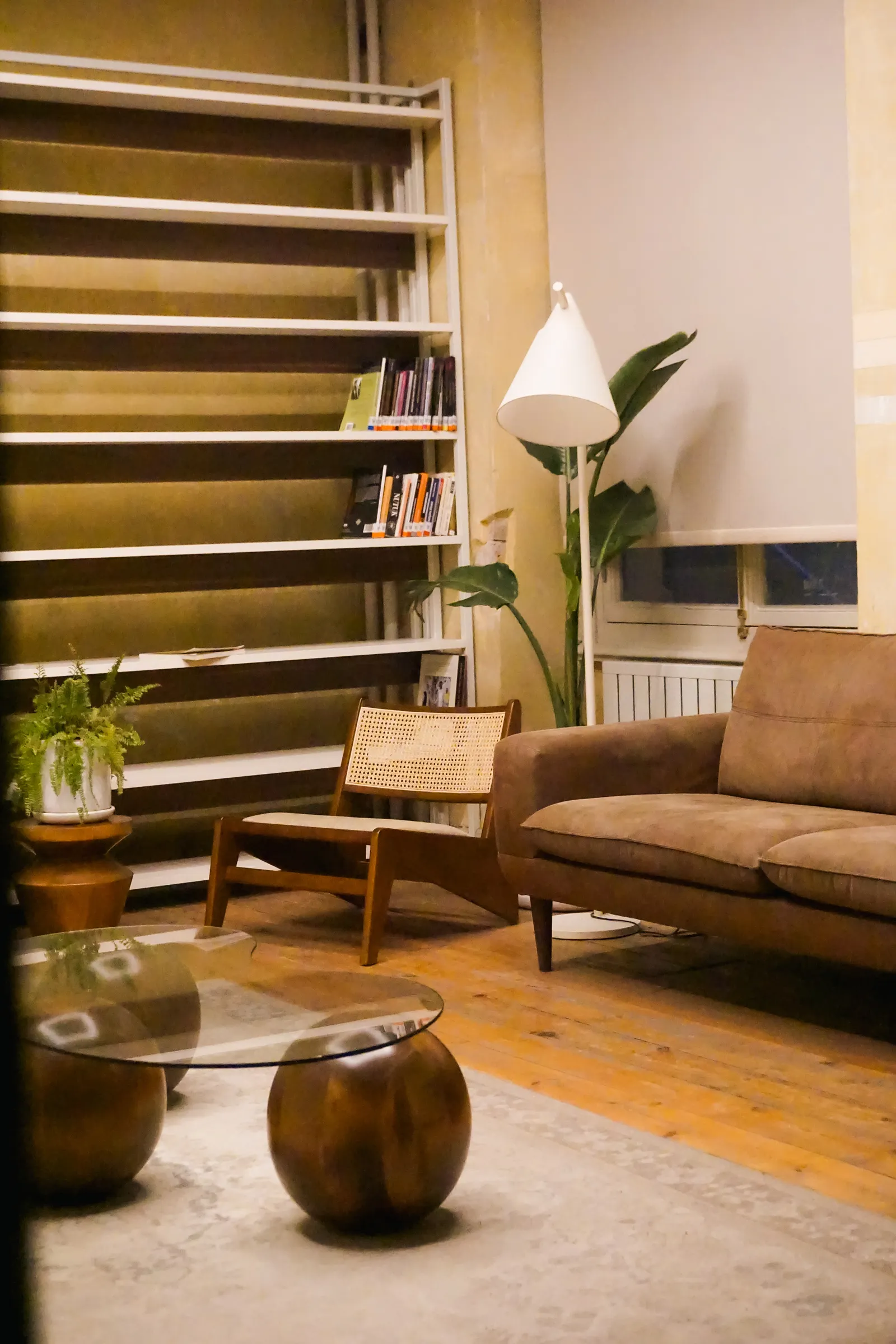
A television wall is often designed as a decorative composition before the viewing positions are tested. Reverse that order: identify the seats used most often, the times the family watches and the lights normally left on. Samsung’s television guidance identifies lamps and windows as possible reflection sources. Your project review should locate the specific source and viewing angle that cause a problem, then compare changes in the room before assuming that a new screen is the only answer.
Map the viewing seats
Mark the main sofa, occasional chairs and any side seating used during gatherings. Review the screen from each position rather than approving the arrangement from the central seat alone. Include the normal posture of the viewer, especially if the furniture allows reclining. Ask the designer to show the proposed screen position alongside those seats and the lighting layout. The resulting map helps distinguish a problem affecting the whole room from one limited to a particular seat or angle.
Separate daylight from evening lighting
Observe the room at the times the household normally watches television. Record which windows are visible in the screen and whether the issue remains after daylight is controlled using the intended curtains or blinds. Then review the evening arrangement separately. This creates two useful observations instead of one vague complaint about glare. Ask the designer to consider the proposed window treatment with the television wall, because approving them independently may leave their relationship unresolved until the room is furnished.
Identify the individual lighting source
Using the normal controls, compare the agreed lighting groups and note when the distracting reflection appears. Include lamps in adjacent open spaces, not only fittings directly above the television area. Keep the viewing position stable during this comparison so the result remains understandable. Describe the source, seat and operating scene to the designer. Do not move fixed electrical fittings yourself; ask the relevant specialist to review whether a different product, position or grouping would address the observed relationship.
Review the television wall materials
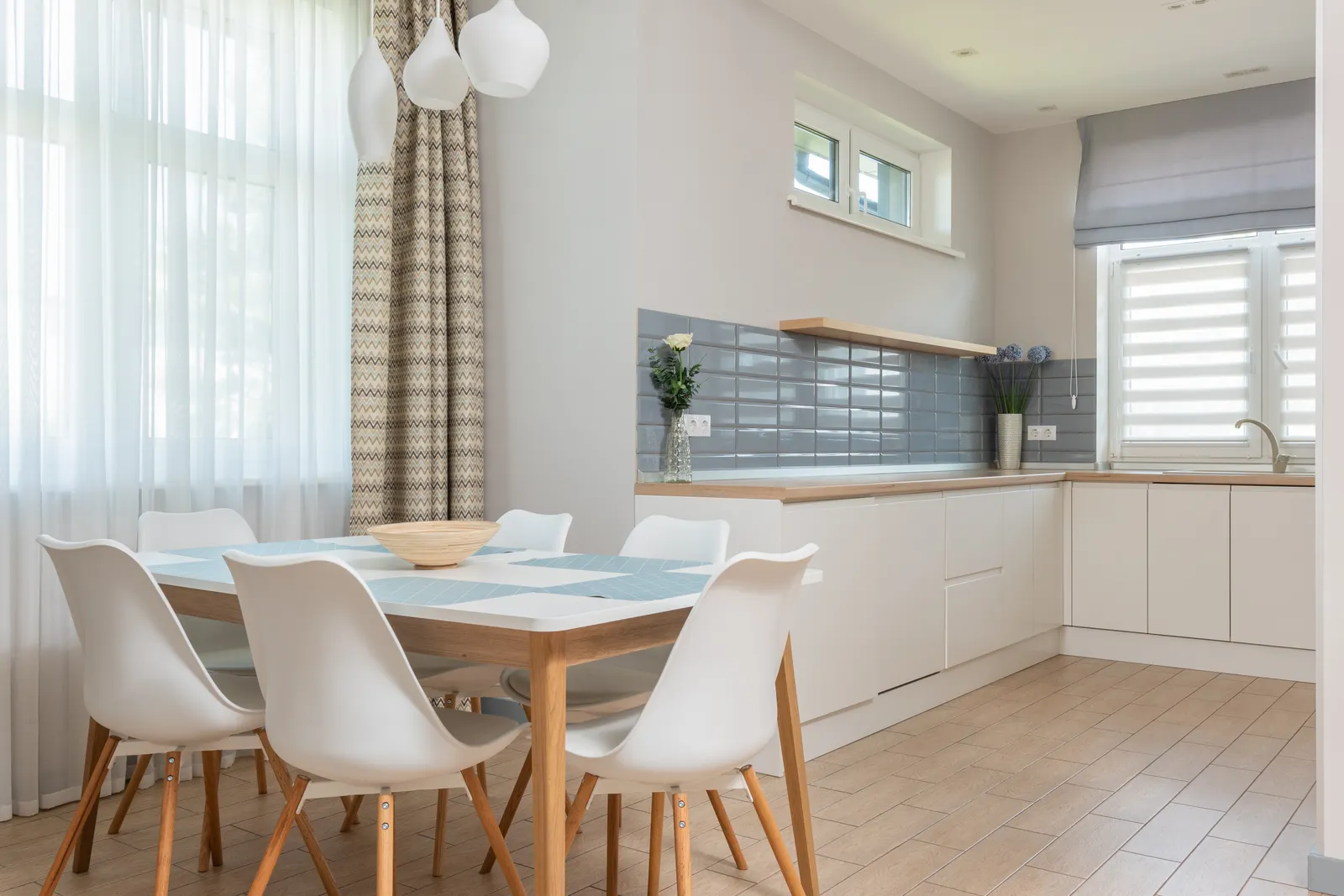
Look at the screen together with surrounding glass, polished stone, metallic trims and decorative lighting. A feature wall can introduce additional visual distractions even when the screen itself is the focus of the discussion. Compare samples and a realistic arrangement before approving bespoke joinery. Ask what should remain visually quiet during viewing and what can be emphasised at other times. This helps the room serve both everyday television use and the decorative appearance the family wants when entertaining.
Create a useful viewing scene
Ask for a scene that allows comfortable television use while retaining the lighting the household needs for movement or another nearby activity. Avoid treating complete darkness as the only possible solution. If reading and watching happen together, discuss how the reading position can be served without disrupting the main seats. The electrical and lighting specialists should confirm the selected controls and components. Name the scene clearly and test it with the household so the intended arrangement is easy to reproduce.
Test the actual screen before final changes
If a television purchase is also planned, compare the exact shortlisted models using manufacturer information and a relevant demonstration. Do not assume that a marketing label guarantees the same result in every room. Keep room conditions and seating in the discussion alongside the screen choice. At handover, repeat the review with the final furniture and lighting, record the remaining issue precisely and agree who will assess it. That evidence supports a targeted adjustment instead of an expensive sequence of guesses.
Your practical checklist
- Check every regular viewing seat at relevant times.
- Record the source and scene associated with each reflection.
- Coordinate screen, window treatment and lighting before final approval.
Frequently asked questions
Will a brighter television remove the need to review the room?
Do not assume that it will. Compare the specific product and room conditions, including reflections, seats and daylight, before deciding what purchase or design change is justified.
Should I remove all lights near the screen?
First identify which source causes the observed problem. A targeted review of position, product or control group is more informative than removing an entire lighting layer without testing it.
Can the issue be judged from a photograph?
A photograph can help locate a reflection, but include the viewing position, time and active lights. The designer should review the actual conditions before recommending permanent changes.
Sources and further reading
Sources support the specific facts identified below. Planning examples and checklists are editorial guidance; photographs are illustrative.
- Samsung — Televisions for bright rooms — Supports only the short statement identifying lamps and windows as reflection sources; no model ranking is adopted.