
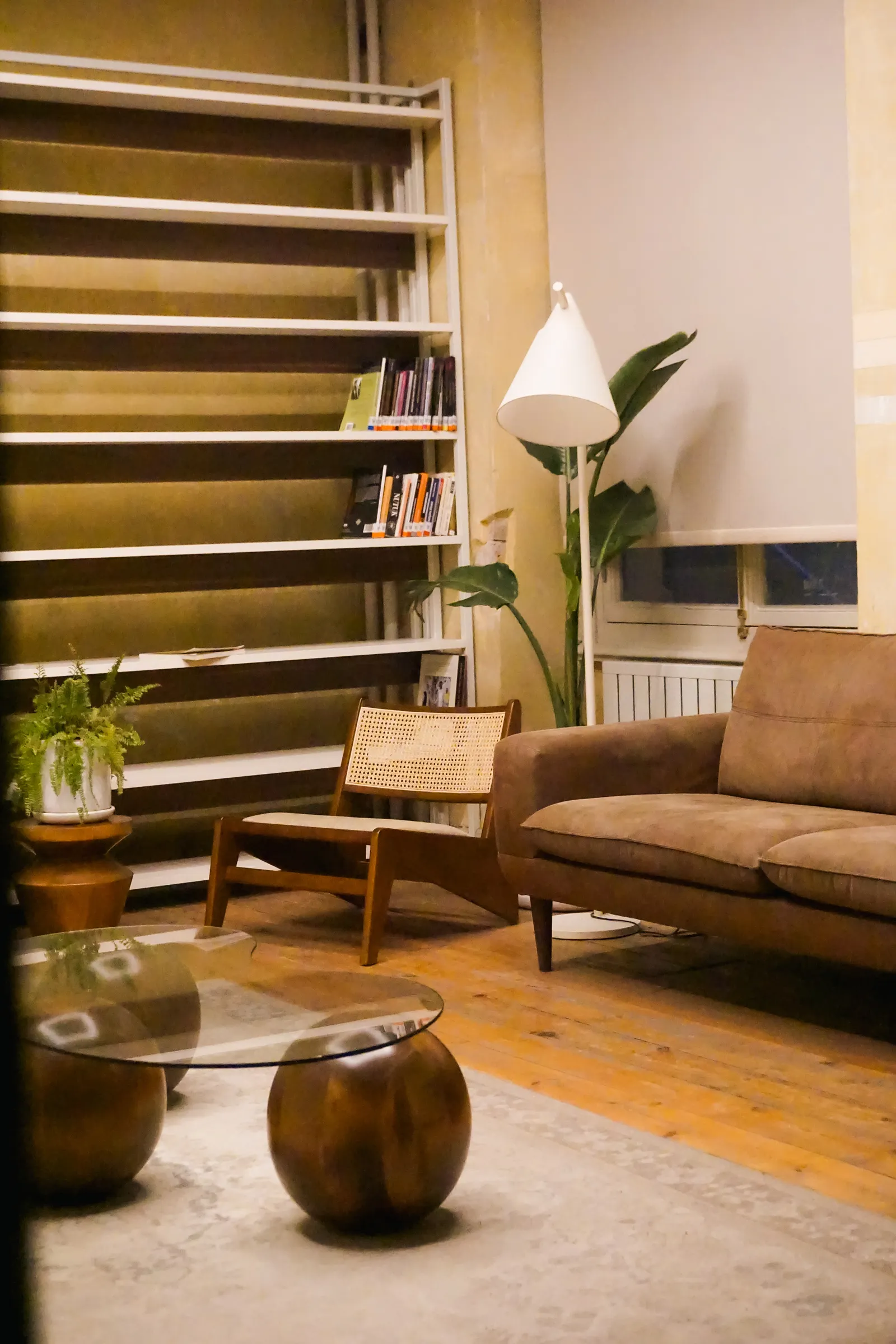
The choice between spotlights and linear lighting is rarely a vote for one style throughout the house. Start with what the light should do and where people will see it. A line can become a strong architectural feature, while individual fittings can establish a quieter rhythm. Neither appearance tells you whether the selected product will serve a particular task. Compare actual proposals in the room, then decide where each approach earns its place.
Describe the surface or activity
Distinguish a circulation route, a preparation counter, a display wall and a seating area. Ask the designer to show how the shortlisted fitting serves that particular location. For an artwork, the intended emphasis may matter more than repeating a line across the ceiling; for a long work surface, continuity may deserve closer consideration. These are design questions, not automatic product rules. Compare the proposed light distribution rather than assuming that the physical shape of a fitting determines the result.
Judge the visible source from real positions
Ask to see a sample from the positions where people will sit, stand or recline. With either approach, the visible source may be more noticeable from some angles than others. Look across the room rather than directly upward only, and include reflective surfaces in the trial. If the room has a television, test the proposed relationship with the screen. Record the observed problem precisely so the designer can review the product or position instead of adding more fittings without a clear reason.
Compare complete ceiling details
A clean-looking concept still needs a workable detail. Ask the ceiling and lighting teams to confirm the required space, openings, supporting arrangement and relationship to adjacent finishes for the selected products. Review corners and transitions in a linear proposal and repeated alignments in a spotlight proposal. Request a sample detail where appearance is important. Keep the technical installation decisions with the specialists, but make sure you understand what the finished edges and joints are expected to look like.
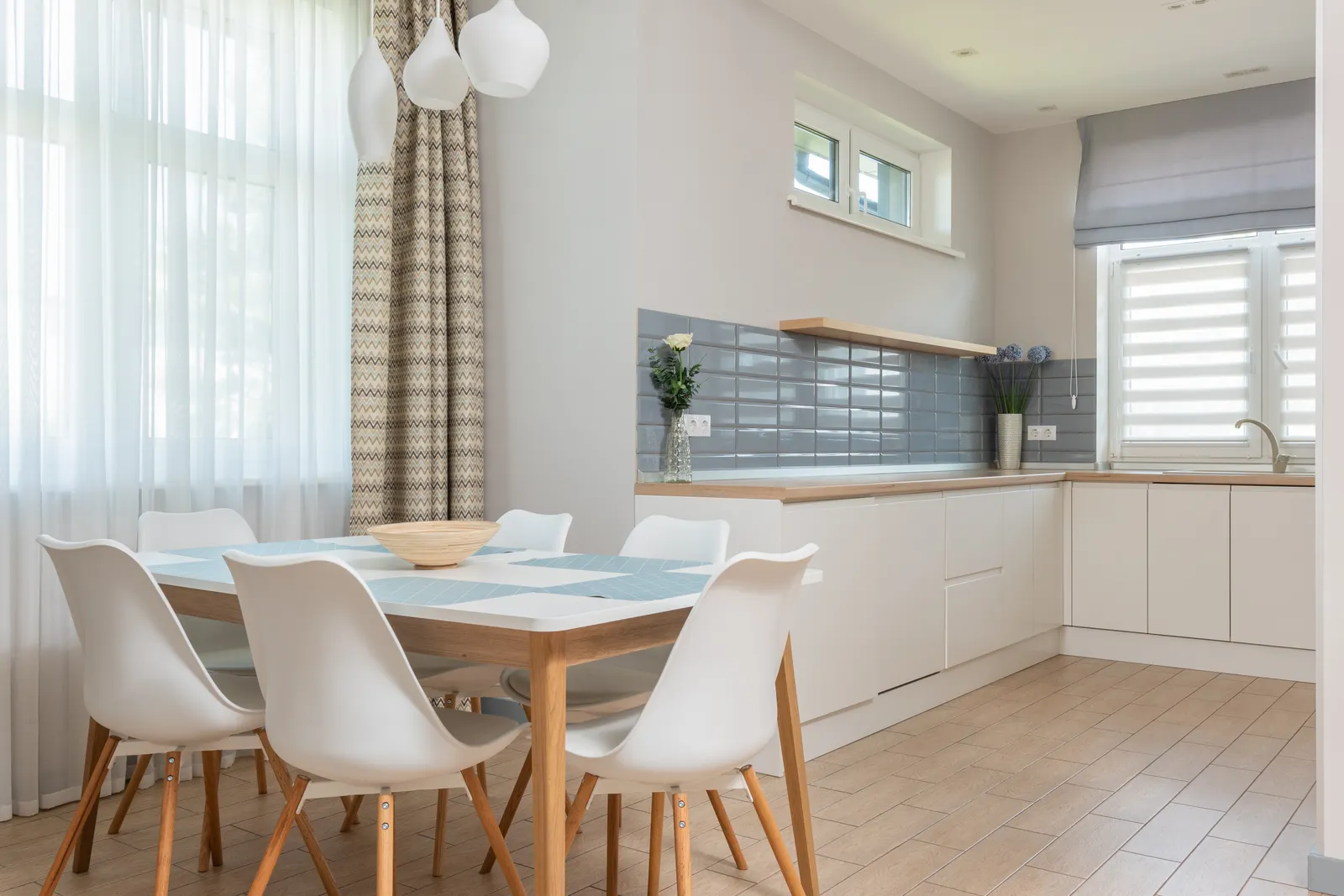
Price the same outcome
Do not compare the price of one spotlight with the price of one length of linear lighting. Request two complete alternatives for the same room and agreed purpose. Include the specified products, controls, accessories, ceiling coordination and installation scope in each offer. Identify optional decorative elements separately. If one proposal has fewer functions, its lower total may simply reflect a smaller scope. Discuss the difference in use and maintenance before deciding whether the additional expenditure has value for your family.
Ask what happens when a part needs replacement
Request the maintenance information for the actual products, including how replacement parts are identified and where access is required. Ask whether the supplier can provide a replacement reference if the range changes, and record what is confirmed rather than assuming future availability. For a prominent continuous feature, discuss how a local replacement might affect the visible result. For repeated individual fittings, retain the approved reference and finish. Neither system is automatically easier to maintain without examining its specific components.
Use a mixed solution only where it is useful
A mixed layout can be appropriate when each component has a distinct purpose. In a hypothetical family room, the owner might prefer a restrained general arrangement and a separate feature over a display area. Ask the designer to explain why both systems are included and how the controls keep the result understandable. DIALux supports documented lighting scenes. The final choice should be judged as a complete room, including what remains switched off during everyday use, rather than as a collection of attractive products.
Your practical checklist
- Compare actual products serving the same activity.
- Check seated views and the finished ceiling detail.
- Include accessories, controls and replacement information.
Frequently asked questions
Is linear lighting always more modern?
That is a visual preference, not a measure of suitability. Review the room’s proportions and intended character. A restrained layout of either type can be appropriate when the details are resolved.
Can the two types share one control?
Describe the desired routine to the electrical designer and have the selected system checked. From a usability perspective, ask whether independent control would serve different activities more clearly.
Which is cheaper to install?
There is no useful universal answer. Obtain complete project quotations for the specified products and ceiling details; unit prices alone leave too much of the actual scope out of the comparison.
Sources and further reading
Sources support the specific facts identified below. Planning examples and checklists are editorial guidance; photographs are illustrative.
- DIALux — Indoor lighting — Supports the short statement about lighting-scene documentation.