
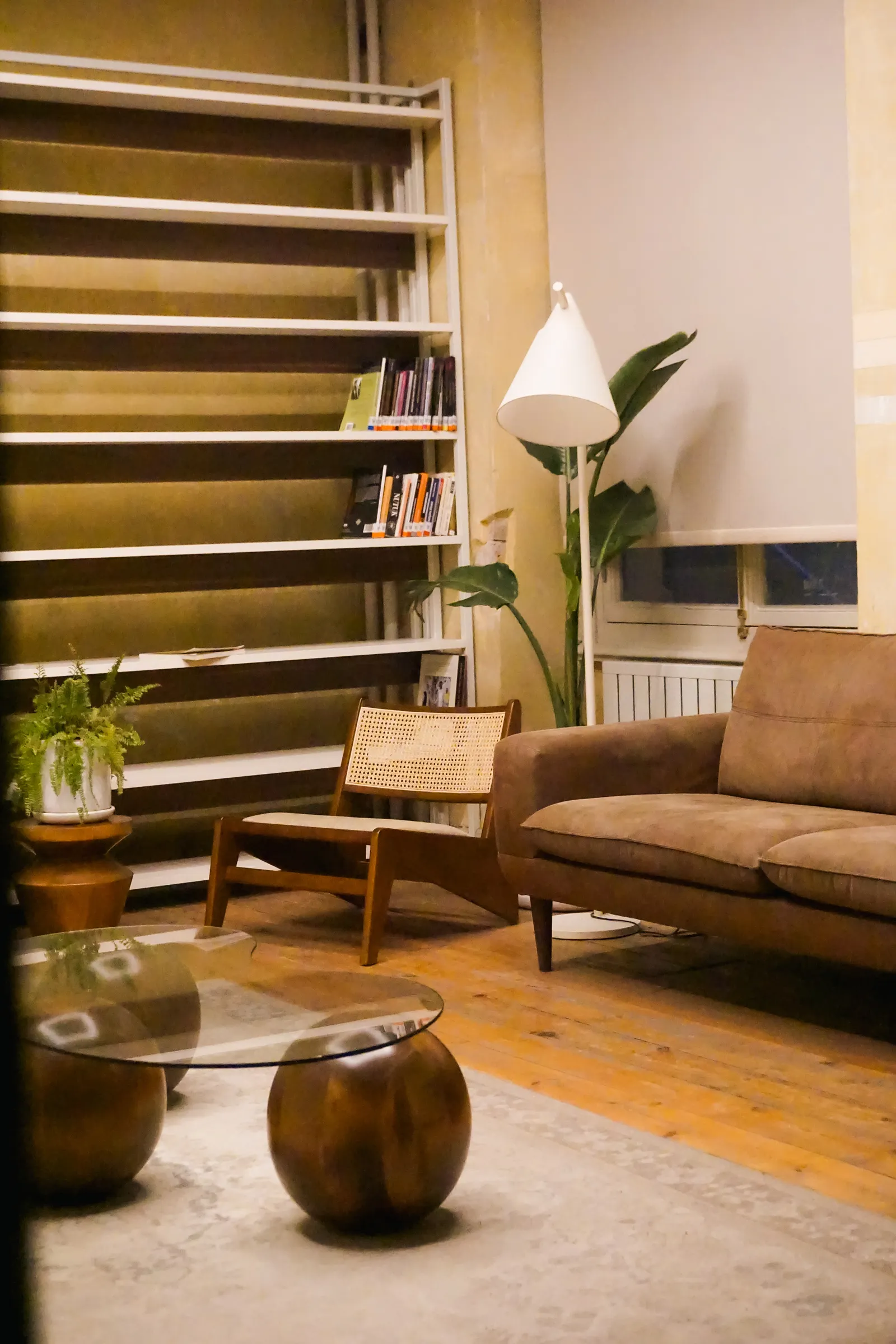
The useful comparison between a wood kitchen and an aluminium kitchen begins inside the cabinet. A showroom label can describe the visible door while saying little about the cabinet body, back panel, hardware or worktop. For an Al Ahsa household, the better choice is the particular construction that suits cooking, cleaning and future repairs. Compare complete specifications before accepting claims that one material always lasts longer or costs less.
Unpack the material label
Ask the supplier to identify the door, carcass, shelves, backing and edging separately. A wood appearance is not a full material specification, and an aluminium frame does not describe every panel within it. IKEA’s kitchen-front guide distinguishes several front finishes, illustrating why the visible face needs its own description. Record product names and samples in the quotation so the installed cabinet can be compared with something more precise than a photograph.
Compare a real cabinet
Open a demonstration drawer, examine its corners and look at the inside of a sink cabinet. Request a sample that represents the proposed construction rather than the showroom’s premium display. Compare how doors meet, whether handles feel comfortable and how shelves are supported. Ask which observed details are included in your price. These checks assess workmanship and usability; they do not establish laboratory resistance or predict a guaranteed service life.
Match care to your routine
Describe how your family cleans, where spills happen and whether cooking equipment stays on the counter. Request written care instructions for each finish and the worktop. Discuss what to do if water reaches a joint and who should inspect recurring leaks. Avoid choosing on the assumption that any cabinet tolerates unlimited wet cleaning. The practical question is whether the stated cleaning routine is realistic for everyone using this particular kitchen.
Assess the finished appearance
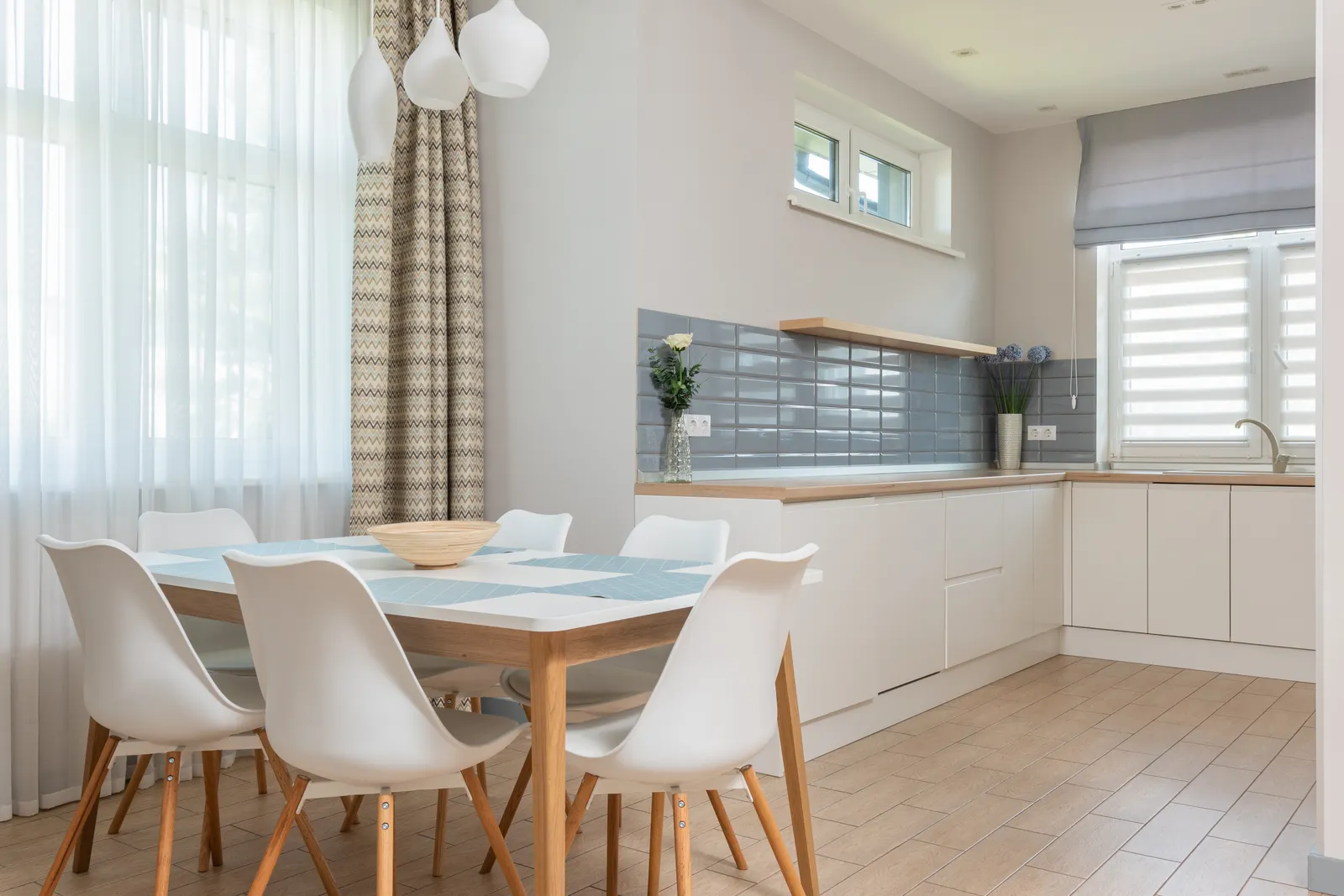
Bring cabinet samples beside the intended floor and worktop, then view them under the kitchen’s proposed light. Look at edge details as well as the centre of the door. A grain, metallic border or visible joint may become a strong repeated feature across a long run. Decide whether that repetition supports the room. You can prefer a warm wood appearance or crisp aluminium detailing without turning a personal preference into a durability claim.
Put equivalent scopes beside each other
Compare the same cabinet layout, drawer count, internal fittings, worktop and installation scope. One quote may look cheaper because it contains more shelves and fewer drawers, or excludes end panels and appliance integration. Separate material choice from configuration changes. If your budget needs a reduction, request a revised itemised proposal showing the actual substitution. A single price per metre cannot explain every difference between two completed kitchens.
Plan repair and replacement
Ask how a damaged door, hinge or panel would be replaced and whether the supplier keeps a record of the finish. Clarify the written warranty’s covered components, exclusions and contact route. A repair discussion can reveal more than a broad promise of quality. Choose the offer whose specification, appearance, care and support fit together; neither the word wood nor aluminium resolves those questions on its own.
For a hypothetical family that wants timber colour but cleans frequently, request two samples with the same appearance and different stated constructions. Compare the written care routine, edge detail and replacement method before deciding. The exercise separates the appearance the family loves from assumptions about the material hidden behind it.
Your practical checklist
- Identify every cabinet component separately.
- Compare equivalent drawers, fittings and installation.
- Approve real samples beside the worktop.
- Read the specified cleaning instructions.
- Keep finish references and replacement contacts.
Frequently asked questions
Is aluminium always cheaper?
No reliable comparison follows from the label alone. Layout, hardware, panels, worktop and installation can change the total substantially.
Can a kitchen mix materials?
Yes, if the supplier specifies each component and confirms compatibility, detailing and care. Judge the complete proposal rather than demanding one label throughout.
What should I request first?
Request a component schedule and a representative cabinet sample. Those make the discussion about appearance, maintenance and cost much more concrete.
Sources and further reading
Sources support the specific facts identified below. Planning examples and checklists are editorial guidance; photographs are illustrative.
- IKEA — Choosing kitchen fronts — Manufacturer example of distinct front finishes; comparison framework is original editorial guidance.