
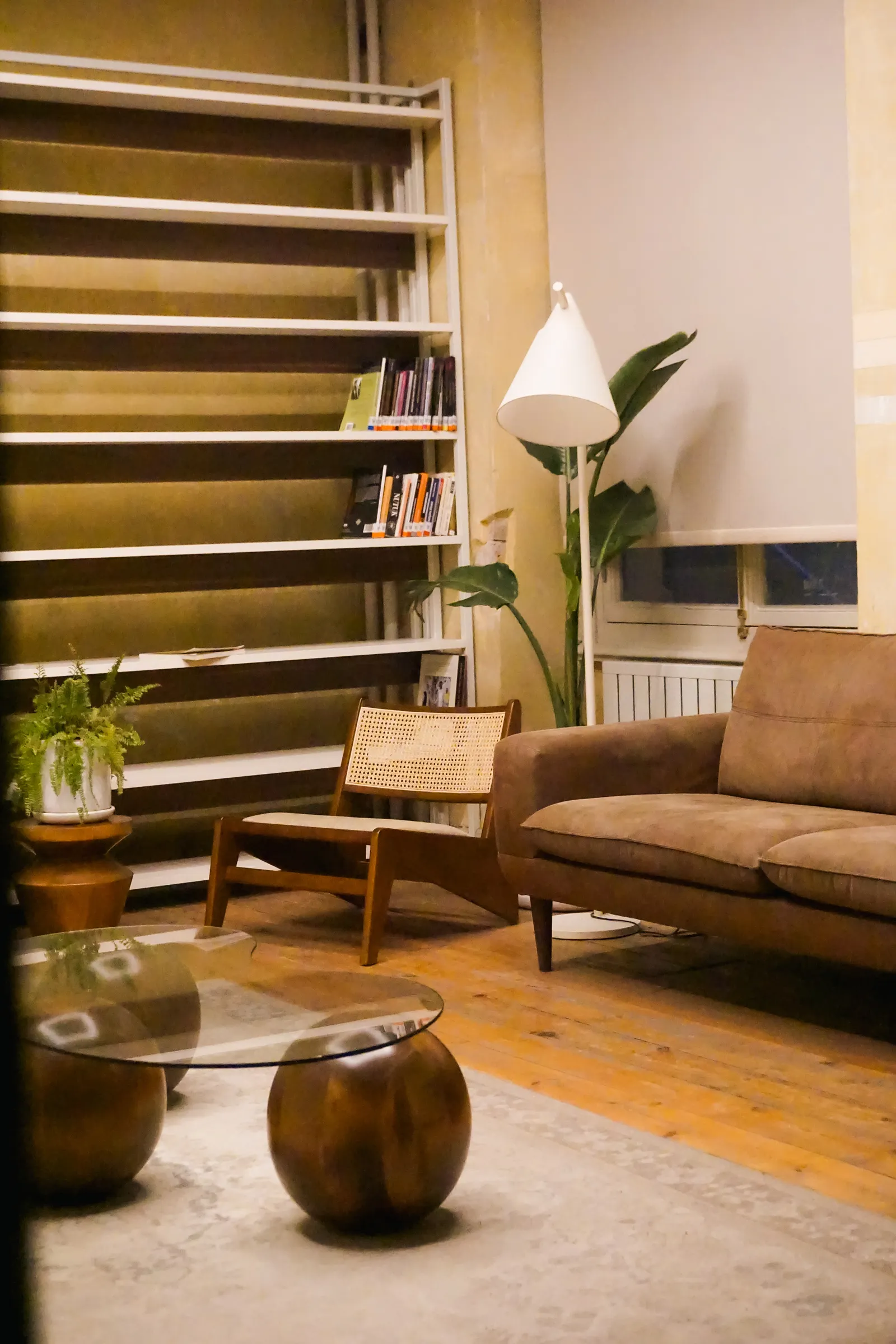
There is no useful winner for “the best flooring” without knowing the room. A guest entrance, a bedroom and a wet bathroom place different demands on the purchase decision. Instead of ranking material names, create a room-by-room comparison of actual products. Give each shortlisted option the same questions about use, preparation, appearance, care and total cost. This makes the decision easier to explain and reduces the risk of choosing by a showroom sample alone.
Write a room-use profile
List who uses the room, what furniture moves across it, how it is cleaned and whether water exposure is expected. Include the practical details of family life: a wheeled desk chair, frequent visitors or a doorway connecting to outdoors. Treat these as questions for the supplier and designer, not as reasons to declare a material automatically suitable. A short profile allows you to request evidence for the specific product and keeps the shortlist connected to the room’s real priorities.
Compare named products, not broad labels
Ask for the exact product reference and its intended applications. Saudi Ceramics lists separate ceramic and porcelain product categories. Those category names help organise a search, but they are not a substitute for reviewing the selected item. Ask the supplier to identify the relevant technical and care documents and explain any limitation for your room. Record unanswered questions rather than turning a sales description into a confirmed specification. This is particularly useful when several products look similar on display.
Review appearance over a meaningful area
Ask to see enough of the product to understand its pattern and variation, especially for designs intended to resemble wood or stone. Compare it with the wall finish, doors and fixed cabinetry under relevant lighting. Discuss the proposed direction and transitions between rooms with the designer. A small sample can establish a colour preference without showing how a repeated pattern will read across a larger floor. Keep the approved sample and layout notes together so the purchase remains connected to the intended result.
Compare the complete installed cost
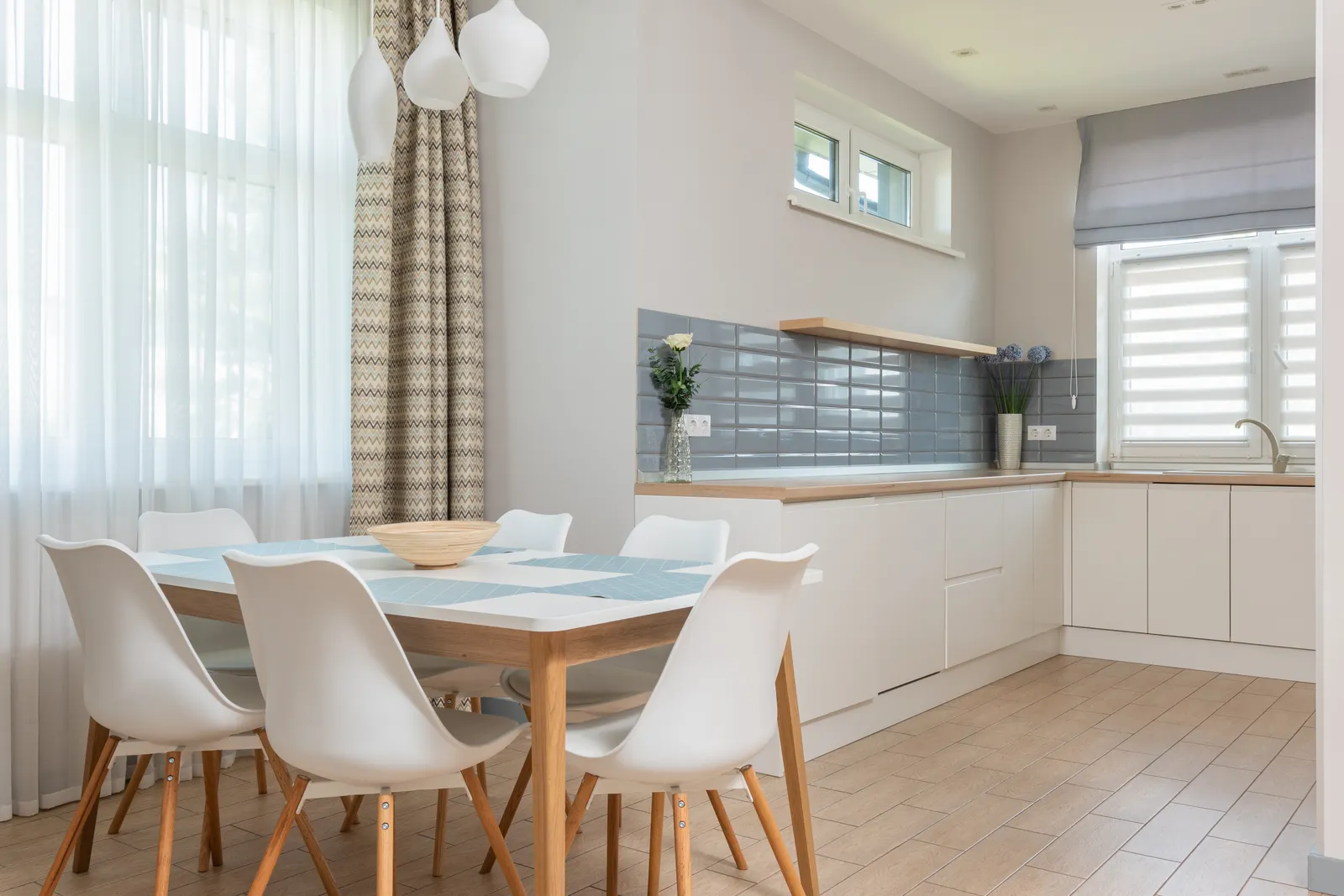
Request offers that distinguish the flooring itself from preparation, accessories, transitions, skirting and installation. Ask who has inspected the existing base and which assumptions remain provisional. A low material price can be outweighed by work outside the quoted scope, while a more expensive product may require a different installation package. Compare the same rooms and finish level in every offer. Keep optional aesthetic upgrades separate so you can simplify the design without losing track of essential preparation.
Choose a maintenance routine you will follow
Read the care instructions before approving the product, and discuss them with the person responsible for cleaning the home. Ask what routine is recommended, which products should be avoided and how local damage is assessed. Keep repairability and replacement availability as separate questions: a product may have a repair method without a promise that matching stock will always exist. Evaluate the answers against the household’s preferences rather than accepting a broad claim that a floor is maintenance free.
Make the decision room by room
Build a simple comparison with columns for suitability evidence, appearance, total scope, care and unresolved questions. Eliminate an option when an essential requirement remains unsupported, then compare the remaining choices by the priorities you set. In a hypothetical home, the family may choose different products for the entrance and bedrooms while coordinating colour and transitions. That can be a deliberate design strategy. The useful outcome is a documented shortlist and clear reasoning, not a single material declared best for every room.
Your practical checklist
- Define room activities and ask for product-specific evidence.
- Compare complete installation scope and care requirements.
- Approve samples and transitions as one coordinated scheme.
Frequently asked questions
Must the whole home use one flooring material?
No. Consistency is a design choice. Different products can be coordinated when their uses justify the difference and the transitions are planned carefully.
Does a higher price prove better suitability?
Not by itself. Compare the documented application, complete scope and care requirements against your room. Decorative complexity or format can affect price without resolving your main need.
When should I request samples?
After establishing the room requirements and before committing to the full order. Review the shortlist with adjoining finishes and keep the approved references available for delivery checks.
Sources and further reading
Sources support the specific facts identified below. Planning examples and checklists are editorial guidance; photographs are illustrative.
- Saudi Ceramics — Products — Supports only the brief identification of ceramic and porcelain product categories.