

A tiling rate per square metre is only meaningful when you know what is being measured and what work is included. Two contractors can quote the same room differently because one includes preparation and accessories while the other prices labour alone. Ask for a written scope before comparing totals. This guide explains the questions that make quotations comparable; it does not present an unverified Saudi market price or assume that one rate suits every format and site.
Agree the measurement basis
Ask whether the rate applies to the net installed area, the purchased quantity or another defined measurement. Show the same room schedule and drawing to every bidder. Identify openings, small recesses and separate wall areas rather than letting each contractor interpret them differently. Keep skirting and special pieces visible as separate lines if they use a different unit. A clear measurement basis lets you check the eventual invoice against the agreement instead of arguing about what “one metre” meant after the work is finished.
Make surface preparation explicit
Have the contractor describe the assumed condition of the base and identify what preparation is included. Ask whether removal of an existing finish, local repairs or other enabling work has been assessed by the appropriate professional. If inspection is incomplete, request a provisional item with a defined review process rather than an open-ended promise. This separates the known installation scope from work that depends on site conditions and helps you understand why a simple headline rate may not represent the final project cost.
Identify supplied materials and accessories
Clarify who supplies the tile and who supplies the specified installation materials, grout, profiles and other accessories. Ask for product references where they have been selected and a clear approval process where they have not. Saudi Ceramics lists adhesives and grout separately from tile products. Your quotation should make the purchasing responsibility equally clear. Avoid a vague “materials included” description when the intended products, quantities and exclusions have not been identified by the project team.
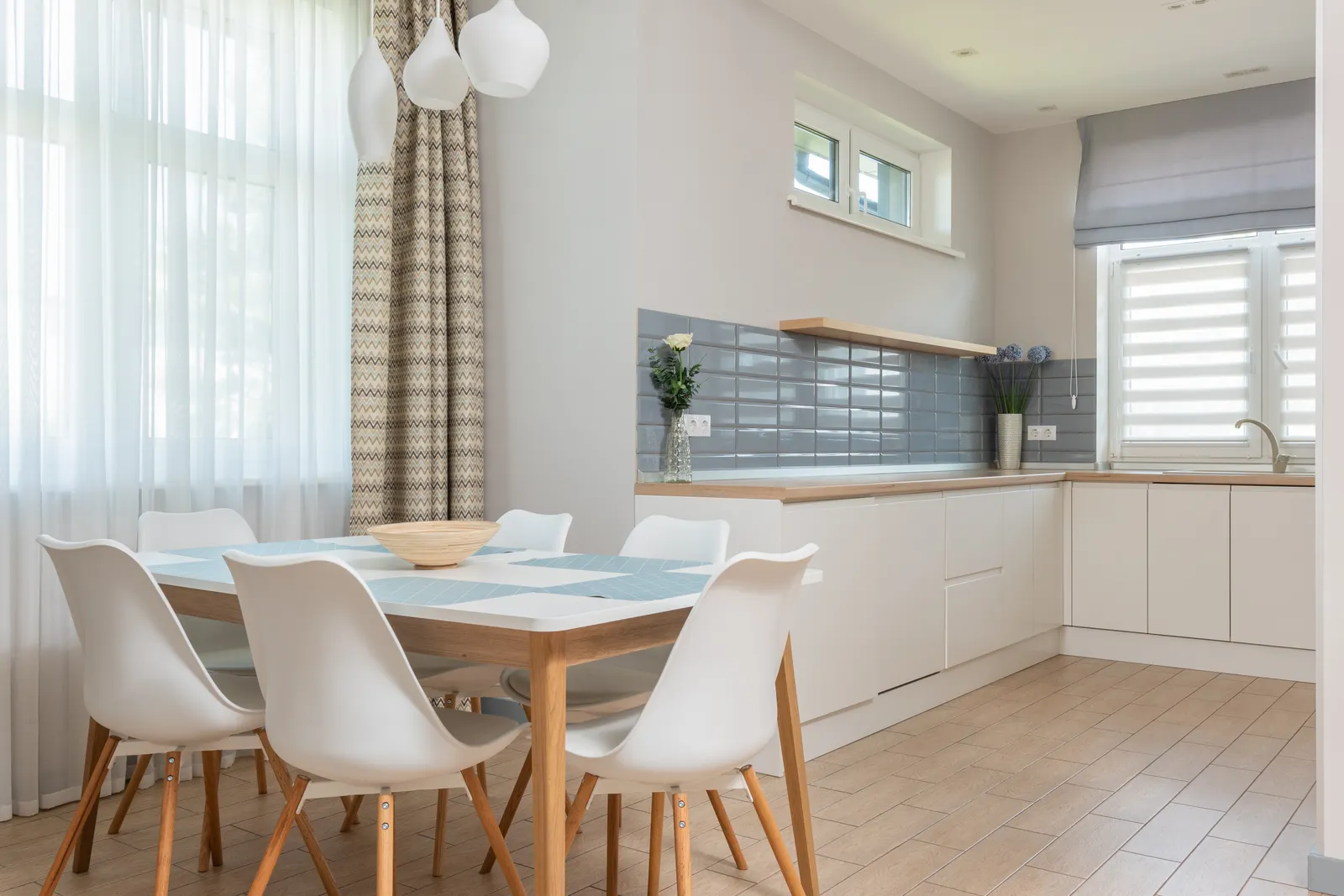
Price the intended layout and edge details
Provide the tile format and proposed layout before asking for a final installation offer. Discuss diagonal patterns, changes in direction, prominent cut edges and special transitions with the designer and installer. Ask which details are included in the base rate and which are priced separately. Do not assume that two layouts using the same floor area require the same scope. A marked drawing with agreed details gives bidders a common basis and helps you evaluate the cost of an optional decorative arrangement.
Account for site logistics and protection
Ask who handles delivery coordination, moving materials to the work area, protecting nearby finishes and removing agreed waste. Discuss access limitations and whether the home will be occupied during the work. These questions are especially relevant to a renovation where rooms may need to remain usable. Record the scope in the offer and distinguish it from the tile purchase itself. A quotation that omits logistics may appear cheaper while leaving the owner to organise and pay for several essential tasks separately.
Link payment and acceptance to the agreed scope
Before signing, agree how completed quantities and observations will be recorded, who reviews the work and what documentation accompanies payment requests. Ask the relevant professional to define any technical checks needed for the specified system. Keep changes separate from the original offer, with their effect on cost and scope stated. When comparing final totals, verify that taxes and stated exclusions are treated consistently. This produces a traceable commercial comparison rather than choosing solely by the lowest number printed beside the square-metre unit.
Your practical checklist
- Use the same drawing, quantities and tile references for all bidders.
- Separate preparation, materials, cutting, skirting and logistics.
- Agree quantity verification, changes and acceptance documentation.
Frequently asked questions
Is a labour-only rate wrong?
Not necessarily. It can be useful when its boundary is explicit and the owner understands every separately supplied item. Compare it with other offers only after normalising the full scope.
Should skirting use the same rate as the floor?
Ask the contractor to state the unit and included detail. Keep it visible in the comparison so different measurement methods do not make one offer seem artificially cheaper.
Can an estimate become fixed before inspection?
Discuss which assumptions can be confirmed and which remain uncertain. A responsible comparison identifies provisional items and the process for resolving them rather than concealing uncertainty inside one rate.
Sources and further reading
Sources support the specific facts identified below. Planning examples and checklists are editorial guidance; photographs are illustrative.
- Saudi Ceramics — Tile categories — Supports only the short observation that adhesive and grout are separate catalogue categories.