
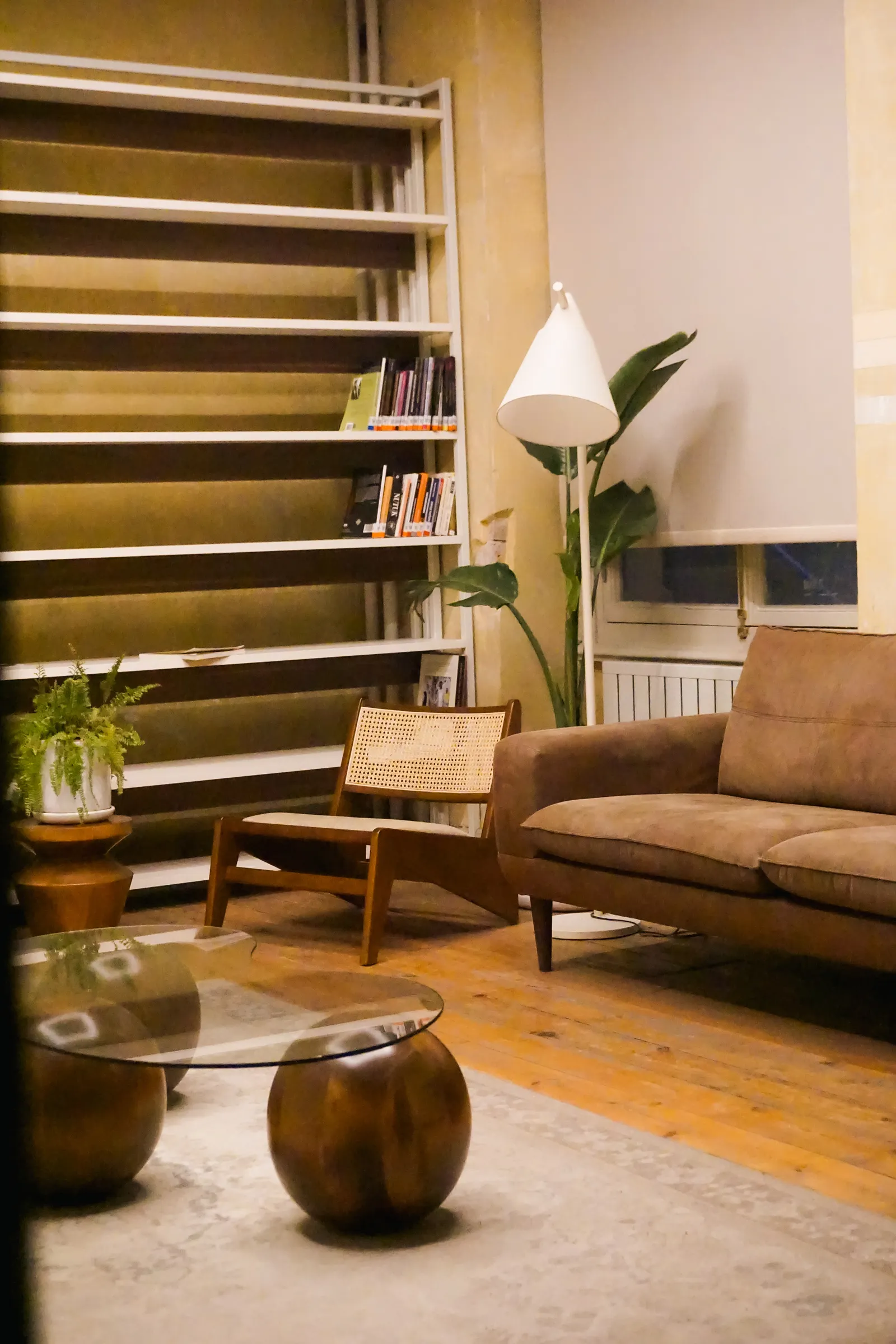
A balanced interior budget funds the home you will use, not just the work that appears first in the programme. Spending most of the available money on fixed finishes can leave essential furniture unresolved; buying furniture first can constrain work that still needs coordination. Build the allocation around daily function, dependencies and replaceability. There is no universal percentage split suitable for every family or existing home.
Define what completion means for your household
List the rooms that must be usable at move-in and what usable means in each. A bedroom needs more than a painted wall; a kitchen needs agreed equipment and storage; a majlis may need a modest complete seating arrangement before decorative layers. Separate essential function from the image of a fully styled house. This helps you compare spending choices without dismissing furniture as an afterthought or treating every finish as equally urgent.
Separate fixed work from movable purchases
Create distinct groups for design and assessment, necessary construction, fixed joinery, furniture, appliances, textiles and completion services. Put each item in one place to avoid double counting. A fitted bench may belong with joinery while its cushions belong with furnishing; identify the interface. Ask whether supplier quotations include installation and accessories. The allocation becomes easier to adjust when you can see what is being purchased and what related work is required to make it usable.
Prioritise dependencies before visual impact
Ask the project team which tasks would be disruptive to revisit after other work is complete. Resolve necessary technical assessments and coordinated fixed work before discretionary decoration. This is a sequencing principle, not permission to choose technical methods yourself. Have qualified people define the relevant scope. Then compare visible upgrades by their benefit in daily life. A striking wall treatment may be worthwhile, but it should compete transparently with a comfortable bed, useful storage or a complete dining arrangement.
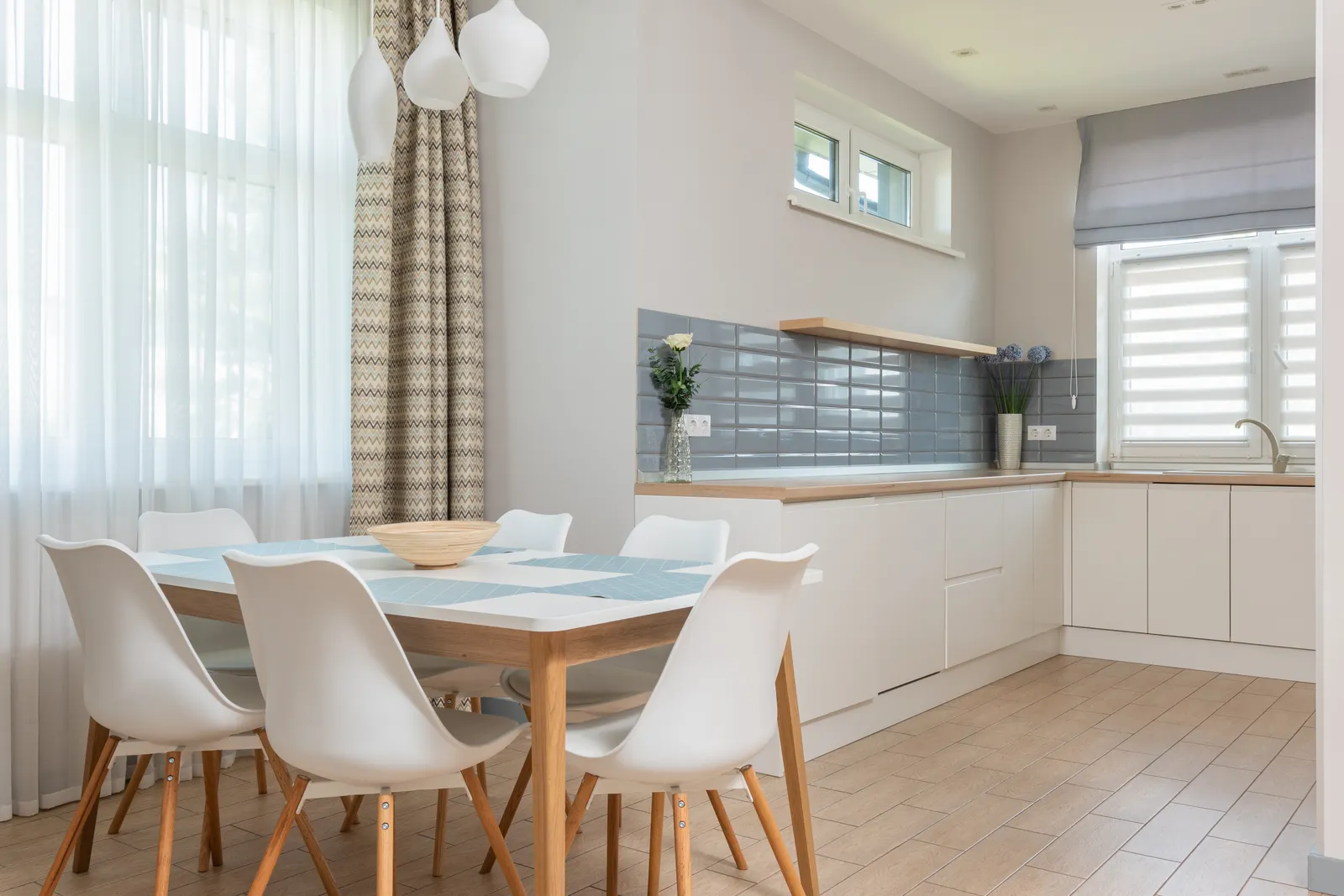
Use complete alternatives
Build two hypothetical versions of a room: a functional base and a more elaborate option. Include all items needed by each version. For example, replacing a custom media wall with a freestanding unit may change both the furniture cost and the wall-finishing work. Compare the entire alternative, not only the saving on one item. Ask what can be upgraded later without discarding useful work. A staged plan is valuable when its later steps have somewhere to fit.
Reserve money for getting purchases into use
Delivery, assembly, curtains’ installation, protective measures and final cleaning can sit outside product headlines. IKEA Saudi Arabia’s delivery page, for example, identifies order and destination details as relevant to delivery options. Obtain your own address-specific terms from every supplier. Keep a separate completion allowance built from those quotations, not a guessed universal amount. Also account for temporary storage if items arrive before rooms are ready, and decide who checks deliveries and resolves missing components.
Review the allocation when choices change
Use one budget sheet showing the current approved amount and remaining commitment for each group. When an upgrade is proposed, identify where its funding comes from and what it displaces. Do not repeatedly borrow from an undefined reserve for predictable decoration. Keep genuine uncertainty visible and ask for revised quotations when specifications change. The budget remains a decision tool when the family can see the consequences of each choice before approving it.
Your practical checklist
- Define a usable room before defining its decorative extras.
- Give each item one budget category.
- Fund dependent fixed work and essential furnishings together.
- Compare complete alternatives and future upgrades.
- Include delivery, installation and completion services.
Frequently asked questions
Is there a standard construction-to-furniture split?
A universal split can hide different starting conditions and family needs. Build yours from verified work and complete room requirements, then test it against the available total.
Can I furnish gradually after moving in?
Yes, if essential functions are covered and later purchases fit the planned layout. Keep dimensions and finishes coordinated so gradual buying does not become repeated replacement.
Where should I reduce spending first?
Compare optional upgrades with the daily problems they solve. Remove or simplify low-priority items as complete alternatives, while qualified professionals assess the implications of changes to technical work.
Sources and further reading
Sources support the specific facts identified below. Planning examples and checklists are editorial guidance; photographs are illustrative.
- IKEA Saudi Arabia — Delivery services — Delivery depends on order and destination details.