
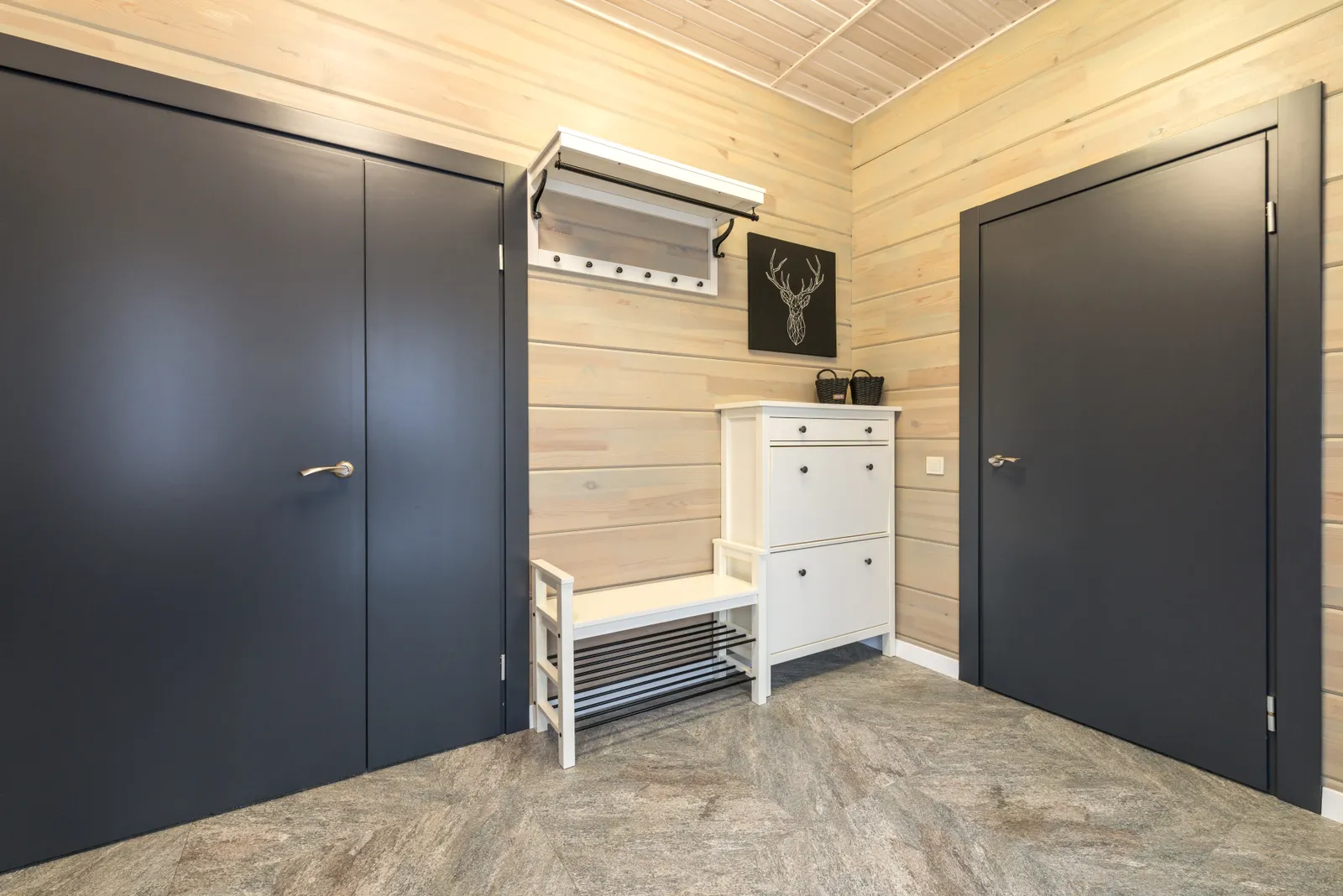
A hallway runner can connect the entrance visually to the rest of a home, but it also adds another layer to a route people use repeatedly. Leaving the floor clear may be the more practical choice in some layouts. For an entrance in Al Ahsa, decide from the actual doors, floor finish and household routine rather than choosing a runner length from a photograph. The useful question is not how much floor can be covered, but whether the proposed piece works reliably in the route as it is used.
Map the route before measuring the rug
Mark the entrance door, internal doors, storage fronts and changes of direction. Note where people pause, remove shoes or place bags. Measure the available floor area, then identify the parts that should remain clear for these activities. A long straight rectangle on a plan can hide a turn or a door that crosses it. Test the runner's proposed outline in the actual entrance, including the normal position of nearby furniture. This establishes a useful placement before you compare colours or standard product sizes.
Check the full door movement
Review the door in its complete operating range with the proposed rug and underlay thickness considered together. Include any threshold and follow the door manufacturer's requirements for operation. Do not solve an interference by trimming a door or changing a threshold without appropriate assessment. Also check cupboard doors and drawers near the floor. A runner that allows the front door to open partway may still obstruct its normal use. Record the measured condition and have the responsible supplier confirm compatibility before purchasing a piece that cannot be returned.
Treat the rug and underlay as one choice
Ask what backing or underlay the rug supplier recommends for the actual floor finish. IKEA's STOPP FILT illustrates a product intended to help a rug stay in place; it does not establish compatibility with every floor or guarantee against falls. Review the floor manufacturer's care restrictions as well as the rug instructions. The owner needs one compatible arrangement, not two separate assurances based on different materials. Keep the product references so that replacement or cleaning does not introduce a different backing without checking it again.
Examine edges and changes of direction
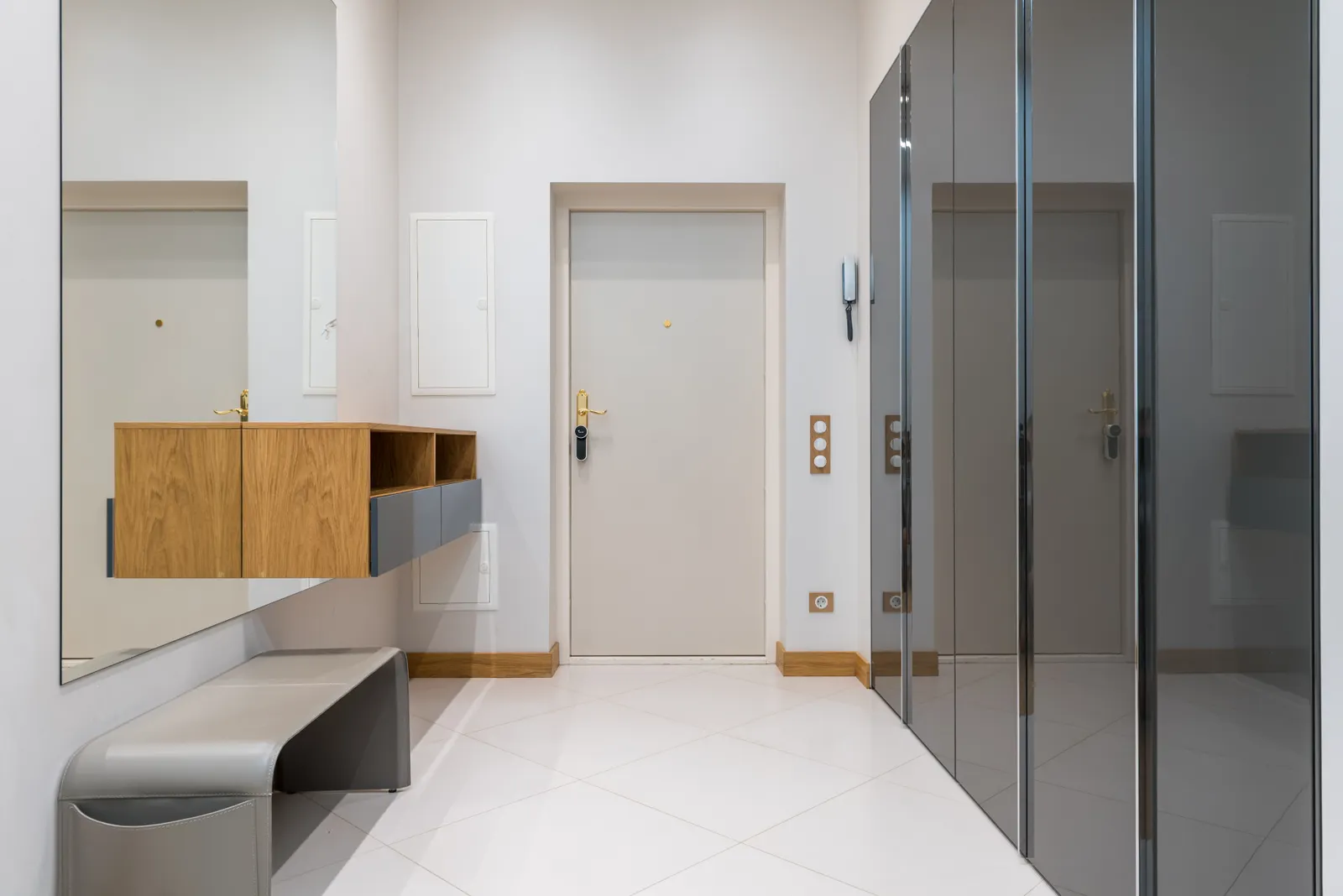
Look at the ends, corners and any transition into another room. Consider how the runner behaves when people turn, carry items or move a chair nearby. Check the actual delivered rug rather than relying only on a flat product photograph. If an edge does not settle as the manufacturer specifies, ask the supplier how to address it; do not improvise with an adhesive that may be incompatible with the floor. For users with mobility aids or specific access needs, obtain an appropriate assessment of the route and floor covering.
Plan for cleaning and drying
Write down how the floor and runner will be cleaned and where the rug can be placed when removed. Follow the instructions for the particular fibre, backing and floor surface. Consider what happens after shoes bring dirt into the entrance or a spill reaches the rug. A piece that is difficult to move may discourage the cleaning routine the household actually needs. Compare that effort with maintaining the exposed floor, while keeping product-specific care requirements clear rather than assuming every washable-looking runner can be machine washed.
Choose length through the entrance composition
A runner does not need to cover every available part of the route. Compare a shorter piece, a longer piece and no runner using outlines before committing. Review how the ends relate to doors, furniture and the next room, and look from both directions. This is a design judgment based on the actual space, not a universal centimetre rule. If the entrance contains several competing patterns or finishes, a simpler arrangement may make the route easier to read without adding another prominent material.
Recheck the arrangement after placement
Once installed as instructed, test doors and the normal walking route again. Observe whether the runner shifts during ordinary use and follow the supplier's guidance if its behaviour differs from expectations. Keep the floor visible enough for the household to notice conditions that need attention during cleaning. Bunyady can coordinate the entrance's furniture, surfaces and decorative choices so they support everyday movement. Approve a runner when its appearance and practical arrangement both work; choosing a clear floor is also a complete design decision, not an unfinished entrance.
Your practical checklist
- Map doors, storage fronts and turning points.
- Review rug and underlay thickness together.
- Confirm compatibility with the floor finish.
- Inspect corners and transitions after delivery.
- Plan removal, cleaning and drying.
- Compare the layout with no runner as well.
Frequently asked questions
What is the correct hallway runner length?
It depends on the actual route, doors and furniture. Test several outlines instead of applying one length rule to every hallway.
Does an anti-slip underlay make every runner suitable?
No. The rug, backing, floor finish and use conditions must be compatible. Follow the relevant product instructions.
Should a runner go under the entrance door?
Only if the complete arrangement permits correct door operation and meets the applicable product requirements. Review the actual clearance before buying.
Sources and further reading
Sources support the specific facts identified below. Planning examples and checklists are editorial guidance; photographs are illustrative.
- IKEA STOPP FILT rug underlay — An example of an underlay designed to help keep a rug in place. Selection and care still depend on the actual rug, floor and manufacturer instructions; this is not a guarantee against falls.