
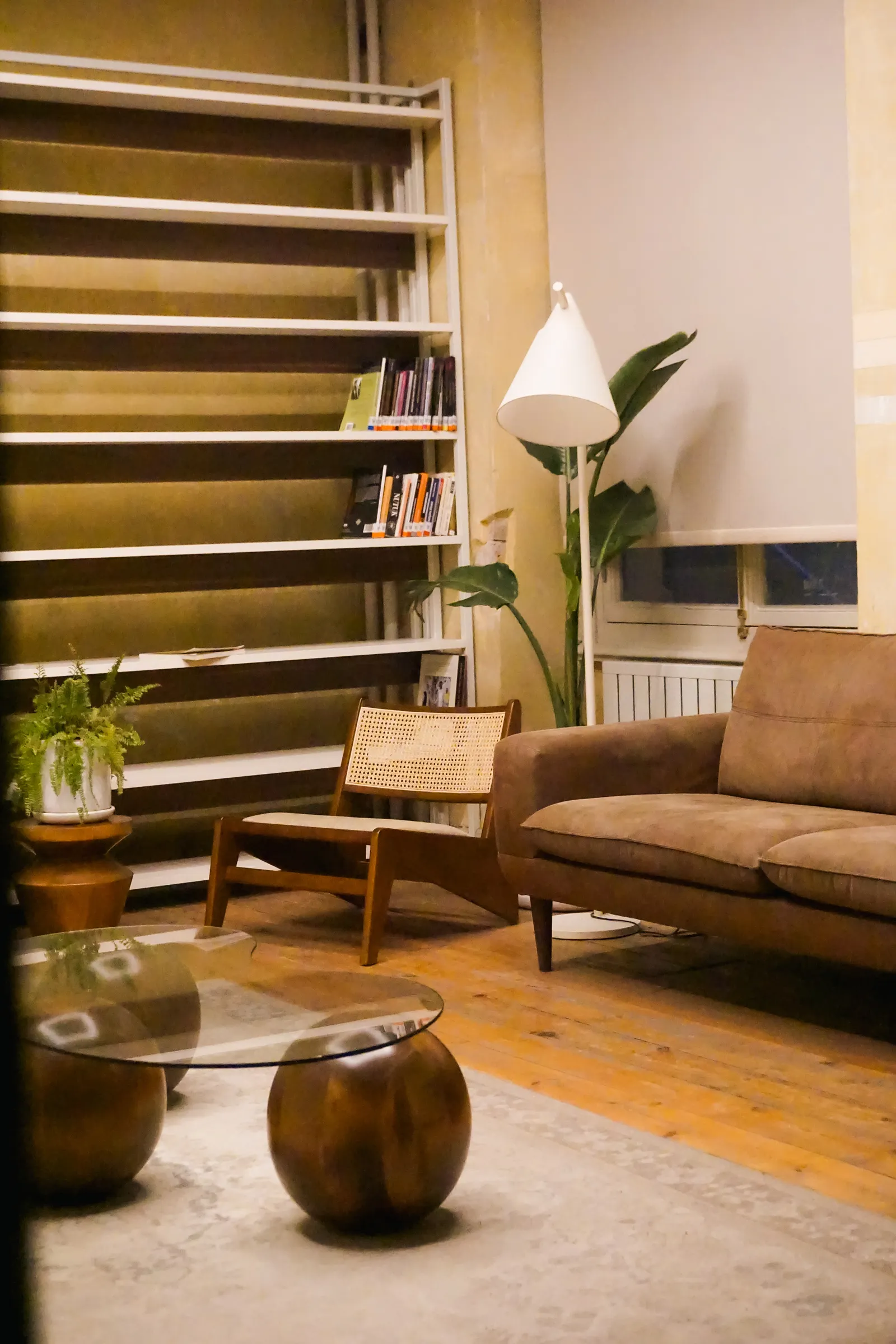
The useful distinction between decoration and interior design is the decision you need help making. A room with a workable layout may need a coherent furniture and colour scheme. A home with awkward circulation or conflicting storage needs may require a wider design study. Treat labels as the beginning of a conversation, then compare the actual work, people and documents offered.
Describe the problem before naming the service
Start with observations rather than a preferred professional title. Write that the dining table blocks access to the kitchen, or that clothing has no suitable storage, rather than simply requesting luxury decor. Separate complaints about appearance from complaints about use. If everything functions well but the room feels visually disconnected, furnishing advice may be enough. If solving one problem creates another elsewhere, ask for a coordinated layout study before shopping.
Recognise what decoration can resolve
A decoration brief can bring together curtains, rugs, loose furniture, accessories and colours around an existing room. Ask whether the service provides a shopping list, dimensions, product references and a placement plan. A mood board alone may communicate atmosphere without telling you what to order. Keep existing pieces in the brief so the proposal does not quietly assume their replacement. Decide whether the provider will help with unavailable products or whether selection ends at presentation.
Ask what the design appointment develops
CIDQ includes planning and documentation within interior design. For your appointment, translate that broad scope into named outputs: layouts, material schedules, elevations or joinery details, as needed. Ask to see a sample page with private information removed. It is easier to assess a real deliverable than a promise of complete design. Establish which documents explain intent and which will be developed further by suppliers or engineering specialists before any work starts.
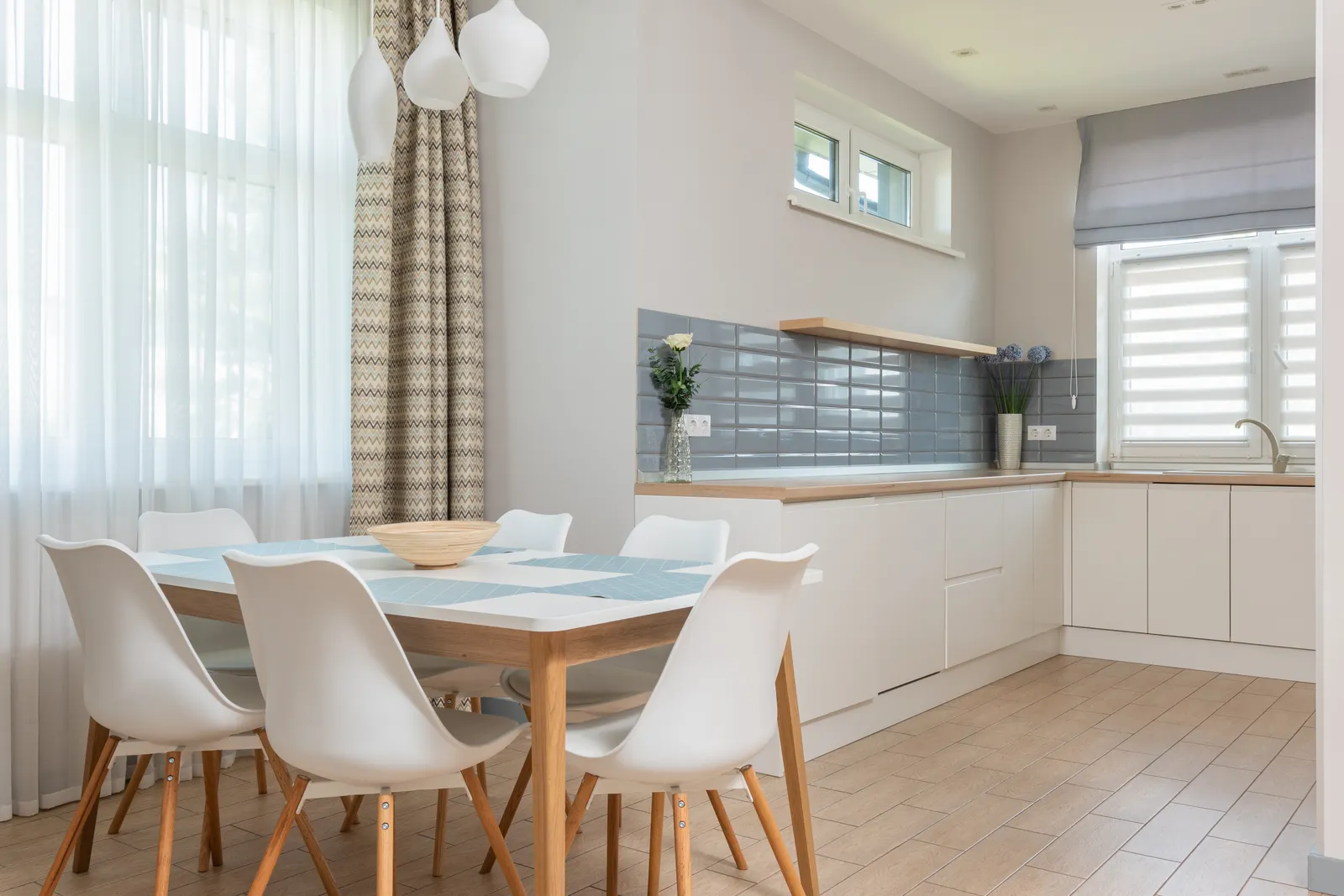
Keep engineering responsibilities visible
A change in room appearance is different from a change to the building. Removing walls, altering service routes or changing technical systems raises questions beyond styling. Tell the designer about these intentions early and identify who assesses feasibility and applicable requirements. Do not infer Saudi professional authority from an English title or an attractive portfolio. For engineering office work, use the relevant official enquiry and ask the appointed team to explain who signs off its part.
Use a small hypothetical comparison
Imagine a bedroom where the bed, wardrobe and door already work well together. Replacing the curtains and bedside tables is one brief. Now imagine the same room needs a larger wardrobe, a work area and a different ceiling arrangement. That is a different brief even though the floor area has not changed. This hypothetical comparison shows why a room name or square-metre figure cannot define the service. Compare outputs against the changes you actually intend to make.
Write the boundary into the quotation
End the discussion with a short list of inclusions and exclusions. Specify who measures, chooses products, orders them, answers installation questions and checks the result. Ask how revisions are grouped and when a changed brief becomes extra work. If only one part of your home needs detailed design, request that explicitly rather than buying the same depth for every room. The right scope is the one that resolves your decisions and gives the next person enough information to continue.
Your practical checklist
- Separate appearance problems from layout problems.
- Ask for an example of every promised drawing.
- List furniture that must stay.
- Name the specialist responsible for building changes.
- Record purchasing and follow-up exclusions.
Frequently asked questions
Does a more impressive title mean a better service?
No. Relevant qualifications matter, but assess them together with the person’s assigned role, comparable work and deliverables. A title does not replace a precise appointment.
Can I buy decoration now and detailed design later?
Yes, if the early purchases will not constrain changes you already expect. Resolve uncertain layouts first so furniture does not commit you to an unsuitable arrangement.
Does design automatically include construction?
No. Ask for separate confirmation of procurement, installation, site visits and contractor responsibilities. Their inclusion depends on the agreed service, not the word design.
Sources and further reading
Sources support the specific facts identified below. Planning examples and checklists are editorial guidance; photographs are illustrative.
- CIDQ — What is interior design? — Planning and documentation scope only.
- Balady — Engineering office enquiry — Engineering office lookup.