
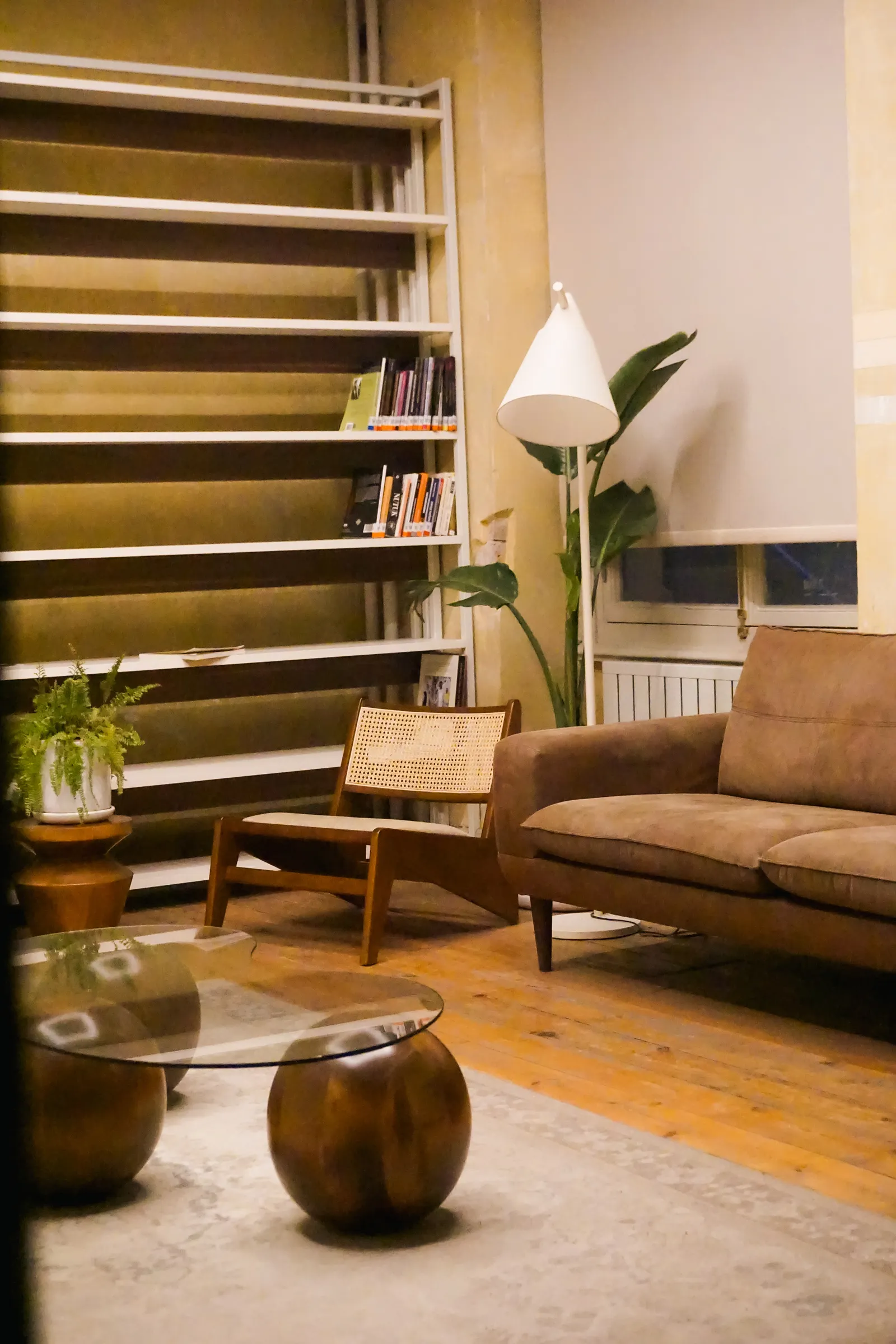
Many home projects need more than one type of expertise. The question is not which professional is more important, but which decisions must be made and who is qualified to make each one. Start by describing the changes you intend, then establish a team with clear boundaries. This avoids paying for an attractive proposal that still leaves crucial feasibility questions unanswered.
Sort the proposed changes into decisions
Make three lists: things you want to look different, things you want to use differently, and building elements you may want to change. A new sofa colour belongs on the first list; a guest route that crosses family seating belongs on the second; an altered wall or drainage route belongs on the third. Some items overlap. The purpose is to make that overlap visible, so it receives review rather than disappearing behind a single package name.
Give the designer a functional brief
An interior designer can help you explore relationships between rooms, furniture, storage, materials and the experience of using the space. Ask for alternatives that solve your actual problem. If a family room feels crowded, for example, test furniture sizes and storage before assuming a wall must move. Agree what the designer will develop and what will be referred to another specialist. This lets the creative work progress without treating every early sketch as an approved construction instruction.
Identify technical questions early
When changes affect structure, electrical systems, ventilation, plumbing or other building services, ask an appropriately qualified professional to assess the relevant work. A homeowner’s role is to explain the desired outcome and provide available records, not diagnose hidden construction. Share existing drawings and previous alteration information, and label uncertain information as uncertain. In Al Ahsa, a local site assessment may clarify conditions that photographs cannot establish. Ask the professional what further investigation or official review is needed.
Check the named person and the named office
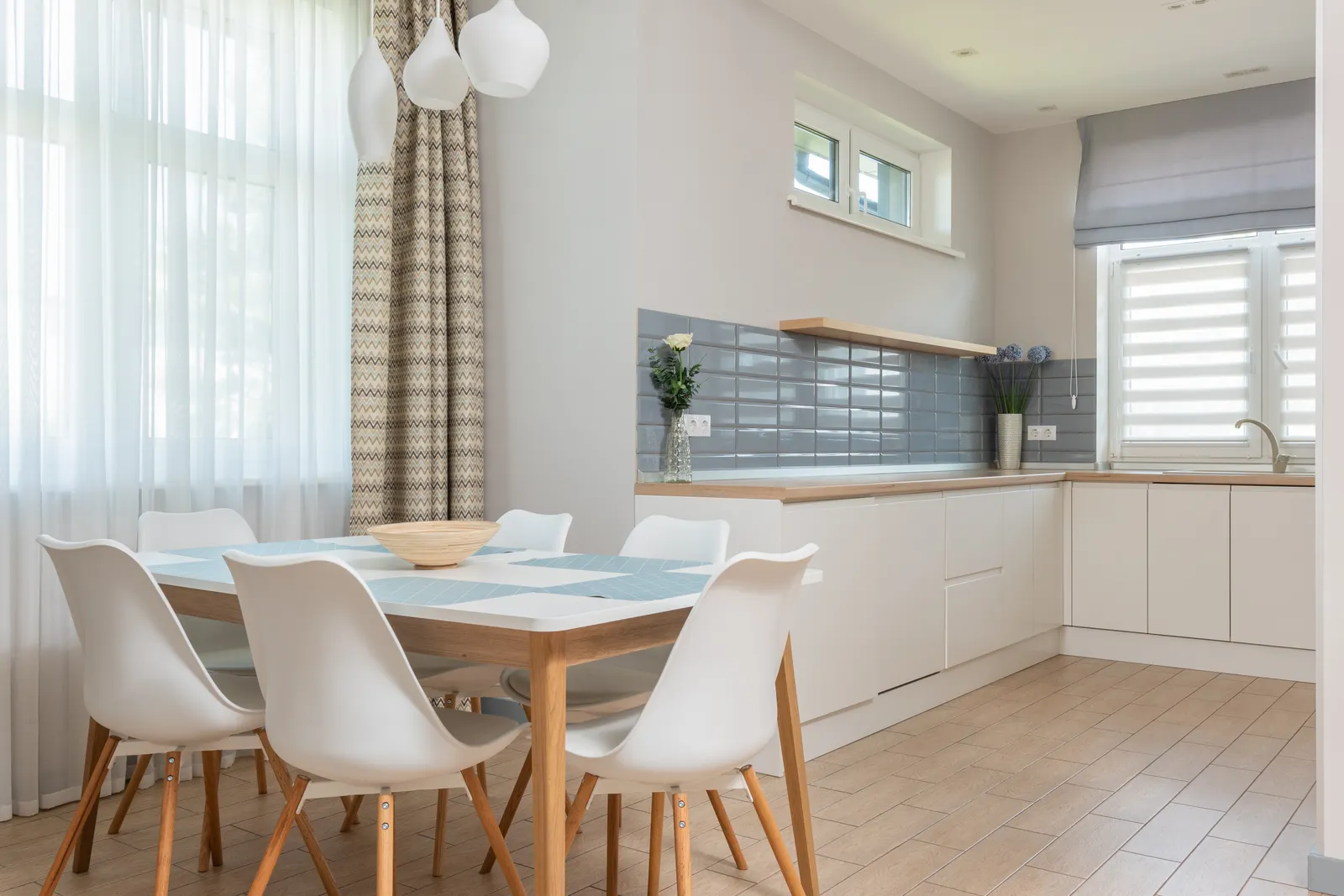
Do not stop at a company saying it has engineers. Ask which discipline will review your issue, which person or office will perform that review, and what written output you will receive. Balady provides an engineering office enquiry. Use the official service where relevant, while asking the team to confirm the requirements for your particular appointment. An enquiry result is a verification tool, not a guarantee of project suitability or a substitute for a clear description of responsibility.
Agree how the disciplines coordinate
A technically feasible solution can still disappoint if it ignores the room layout, and a beautiful layout can fail if its service assumptions remain untested. Arrange one shared drawing set and a clear process for resolving clashes. Ask who communicates a revised ceiling height to the joinery supplier, or an appliance change to the relevant services designer. You do not need to coordinate technical details yourself, but you do need to know who gathers the answers and issues the updated information.
Choose the next appointment by uncertainty
Consider a hypothetical kitchen renovation. If the main uncertainty is storage, a layout consultation may be the useful first step. If you want to move the kitchen to another room, feasibility and service questions need early specialist review before detailed cabinetry is commissioned. Record the unanswered questions and appoint the person able to resolve the first dependency. This is more useful than hiring every discipline at once without a brief, or expecting one provider to cover unspecified specialist work.
Your practical checklist
- List proposed building changes separately from finishes.
- Collect existing plans and identify uncertain records.
- Ask which discipline reviews each technical issue.
- Confirm the written outcome of that review.
- Name the person coordinating revised drawings.
Frequently asked questions
Can a rendering confirm that a wall can be removed?
No. A visual proposal does not establish the wall’s role or the requirements for changing it. Obtain the appropriate assessment before approving work that depends on removal.
Do I always need an engineer to replace furniture?
The need depends on the actual work. Loose furniture selection is different from modifying the building. Ask about specialist review if the proposal introduces fixing, service or other technical changes.
Who should be my main contact?
Choose a named coordinator whose scope includes collecting questions and issuing decisions. That person may not make every specialist decision, but should make ownership and follow-up clear.
Sources and further reading
Sources support the specific facts identified below. Planning examples and checklists are editorial guidance; photographs are illustrative.
- Balady — Engineering office enquiry — Official office enquiry.