
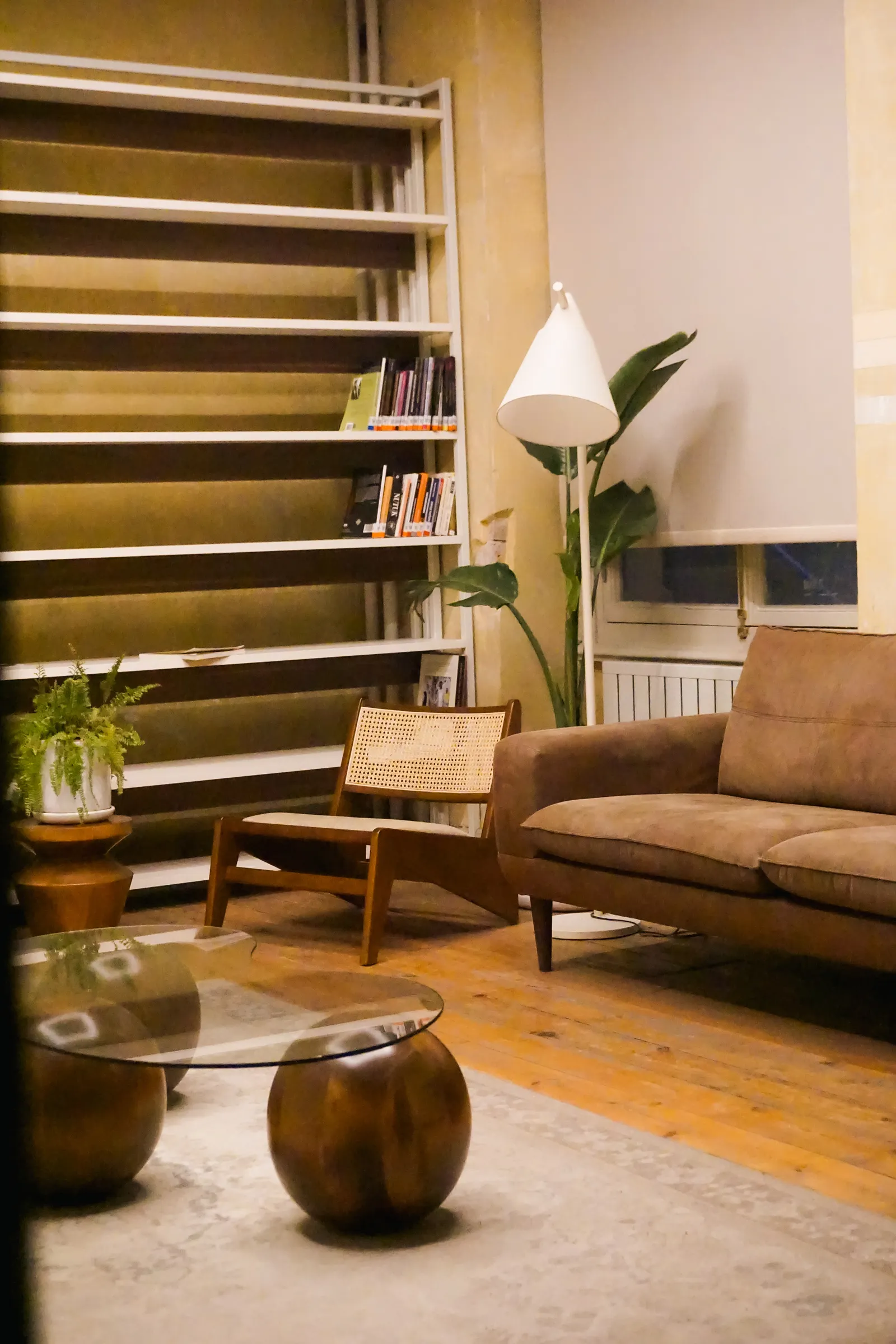
A useful paint inspection compares the finished work with the approved specification under conditions relevant to the room. Daylight can help reveal differences, but it should be considered alongside the lighting normally used in the home and the product’s readiness for inspection. Prepare the colour schedule and sample before walking through the rooms. Record visible concerns clearly, ask the painter to assess their cause, and separate a workmanship question from a new preference about the chosen colour.
Confirm the inspection stage
Ask the painter when the selected system is ready for the agreed visual review, normal use and cleaning. Those stages should follow the actual product instructions rather than a universal number of hours or days. Jotun Saudi Arabia’s Wonderwall page provides technical documentation for its named product, illustrating the type of reference to request for your own paint. Do not rub, wash or mark a newly finished wall to test it before the responsible professional confirms the appropriate stage and method.
Match products and colours to the schedule
Check each room’s walls, ceiling, trims and feature areas against the approved colour, product and finish. Verify boundaries where colours change, including returns around doorways and any agreed continuation onto another surface. Keep labels or supplied records available when clarification is needed. A correct colour on the wrong surface is still a scope question, while a different sheen may explain an unexpected appearance. Work room by room so no small connecting area is overlooked between larger painted spaces.
Inspect in normal daylight and room lighting
View the work from ordinary standing and seated positions with the room’s normal lighting arrangement. Use daylight where available, and note the location and conditions of a visible difference. Avoid treating an extreme inspection light as an automatic acceptance standard unless that method was agreed or professionally required. The aim is a fair comparison with the specified result. If a concern appears only from a particular position, document it and ask the painter to assess it rather than immediately prescribing a repair.
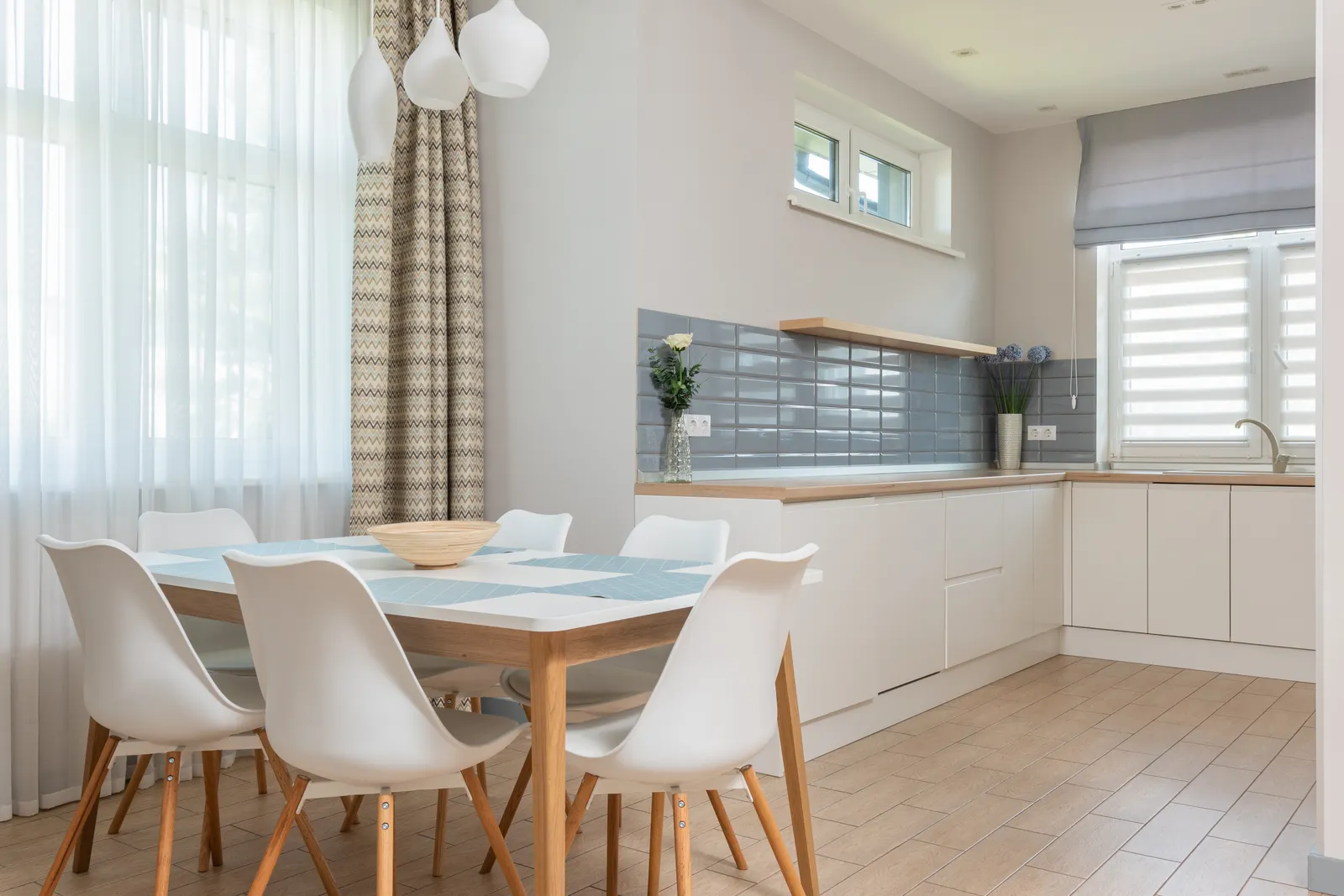
Look for specific visible concerns
Check for missed areas, visible runs, damage, unfinished edges and inconsistent appearance that differs from the approved sample or agreed finish. Review corners and transitions around frames and fittings without removing covers or disturbing installed equipment. Describe what you see rather than guessing whether the cause is preparation, application or product choice. A note such as visible patch beside the door under normal afternoon light is more useful than poor paint everywhere, because it gives the contractor a location and an observation to assess.
Agree repairs and review them in context
Ask the painter to explain the proposed remedy using the selected system’s guidance and the assessed cause. Do not assume that every concern is solved by a small touch-up or by adding another coat across the whole room. Record the agreed work and any effect on timing or use. After the appropriate interval, revisit the repaired area in its surrounding wall under comparable conditions. Keep the original observation so the follow-up answers the same concern instead of becoming an entirely new inspection without a reference.
Keep a practical handover record
Collect the final paint schedule, product references, care instructions and the agreed list of completed or outstanding items. In a hypothetical living room, a missed return at a doorway and a colour preference that changed after furniture arrived should be separate entries because their remedies and responsibilities differ. Handle acceptance and payment according to the actual agreement. A clear record helps later maintenance and prevents the household from relying on a photograph or an approximate colour name when a future repair is needed.
Your practical checklist
- Confirm readiness for inspection, use and cleaning.
- Match every surface to the approved paint schedule.
- Review daylight and ordinary installed lighting.
- Record specific locations without guessing causes.
- Recheck agreed repairs and retain product records.
Frequently asked questions
Should I inspect only in strong sunlight?
No. Review relevant daylight and the room’s normal lighting, following any agreed inspection method and the product’s appropriate stage.
Can I wash the wall to test the finish?
Only follow the selected product’s permitted timing and method, confirmed by the responsible professional. Improvised early cleaning can confuse the assessment.
Does a visible patch always need another coat?
The painter should assess its cause and the appropriate remedy for the actual system. Record the observation before agreeing the repair scope.
Sources and further reading
Sources support the specific facts identified below. Planning examples and checklists are editorial guidance; photographs are illustrative.
- Jotun Saudi Arabia — Fenomastic Wonderwall documentation — Example of product-specific technical documentation; no universal drying, curing or inspection threshold asserted.