
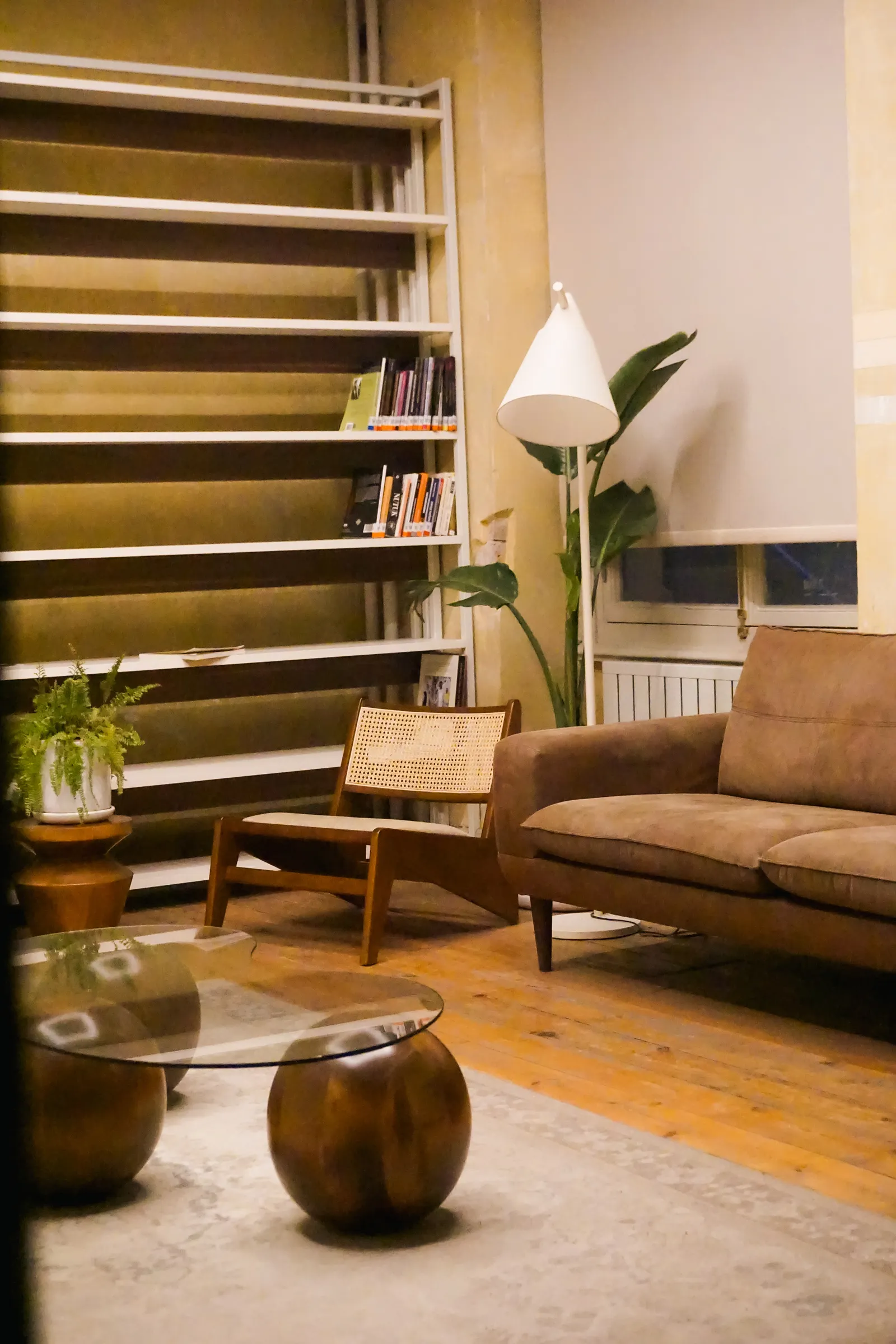
A family sitting room can be uncomfortable for two very different reasons: speech may sound harsh inside it, or sound may travel between it and a bedroom. Buying the same wall panels for both problems is an uncertain starting point. For a home in Al Ahsa, first describe the disturbance and the rooms involved. This guide helps you organize that conversation, understand the difference between absorption and isolation, and ask for a proposal that addresses the actual problem.
Separate the two acoustic jobs
ROCKWOOL distinguishes absorbing sound at a surface from reducing its transmission through a building element. In everyday terms, absorption concerns reflections within a space; isolation concerns sound passing between spaces. A decorative panel advertised as acoustic therefore needs a more specific description. Ask what it is intended to change and what evidence supports that claim. Do not treat a sample that feels soft, or a video recorded on a phone, as proof that conversations will become private next door.
Write a short listening diary
For several ordinary days, note the source, time, receiving room and activity interrupted. Record whether the disturbance is conversation, television, outside traffic or a mechanical sound, without trying to diagnose it yourself. Describe whether doors and windows were open or closed. Include a simple room plan and safe photographs of the relevant surfaces. This gives a specialist a repeatable situation to investigate instead of the vague instruction to make the whole house soundproof.
Treat echo as a room-use question
If the concern is hearing conversation comfortably in the same room, tell the designer where people sit and how the room is used. A large family gathering, a quiet reading corner and an online meeting place different demands on the layout. Review the balance of exposed finishes and furnishings with that activity in mind. Ask where any proposed treatment goes, how it looks from the entrance and how it can be cleaned, rather than selecting panels solely by their pattern.
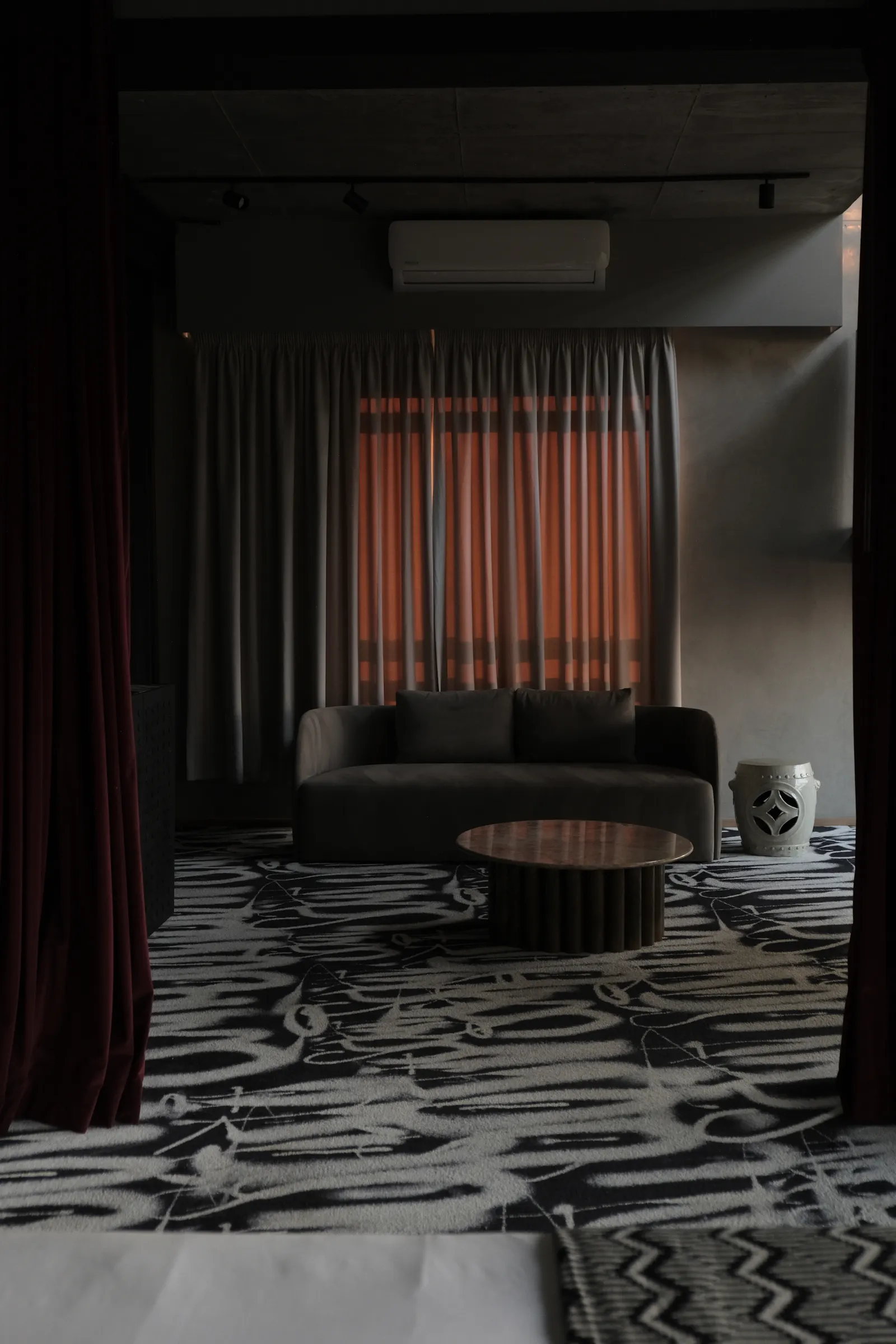
Investigate transmission before covering the wall
If sound is arriving from another room, ask the assessor to consider the relevant construction and connected details, including doors, glazing, service openings and surrounding junctions. A wall treatment proposal should explain which paths it addresses and which remain outside its scope. Do not cover ventilation openings or alter electrical fittings to experiment. Where the existing assembly is unknown, allow for a professional survey before agreeing a finished thickness, cost or promised improvement.
Make privacy a measurable project requirement
Replace an absolute promise of silence with an agreed assessment process. Identify the source room, receiving room, normal activity and conditions under which improvement will be judged. Ask the acoustic professional which measurements and acceptance criteria suit the situation, and whether independent testing is included. A laboratory rating for one product is not automatically a prediction for your completed room. Request the proposed complete construction, its interfaces and the basis of any performance statement in writing.
Coordinate finishes and occupied-home work
An acoustic intervention can affect skirtings, sockets, curtain clearances, cabinetry and usable floor area. Show these items on the same drawing before accepting the appearance. If the home remains occupied, agree access, protection, working hours and the sequence for moving furniture. Keep treatment away from arrangements that prevent safe equipment access. Ask who repairs adjoining decoration and whether the final quotation includes those repairs; otherwise the acoustic work and the finished interior may be priced as different projects.
Compare offers by evidence and boundaries
Build a comparison with four columns: the diagnosed problem, proposed assembly or treatment, supporting evidence, and exclusions. An offer that addresses room echo should not be compared directly with one that reconstructs a separating wall. Ask each supplier to explain the intended result in ordinary language. For Bunyady discussions, bring the room plan and listening diary first; these are useful briefing documents, while technical acoustic performance still requires the responsible specialist's assessment and appropriate verification.
Your practical checklist
- Describe whether the problem is echo, incoming noise or speech privacy.
- Record the source and receiving room under normal conditions.
- Ask for the complete proposed treatment and its limits.
- Coordinate doors, services, furnishings and final decoration.
- Agree how the finished result will be assessed before ordering.
Frequently asked questions
Will foam panels stop neighbours hearing television?
Do not assume so from the material or appearance. Ask whether the product addresses absorption or transmission, then have the relevant building paths assessed before choosing a solution.
Can a phone recording prove acoustic performance?
It can help describe an annoying event, but use the specialist's agreed assessment method for a performance decision. Different recording conditions make casual before-and-after clips difficult to compare.
Should I buy a treatment before the site visit?
Usually it is more useful to prepare the brief first. A confirmed problem, existing construction and agreed finish allow the proposal to be evaluated before money is committed to materials.
Sources and further reading
Sources support the specific facts identified below. Planning examples and checklists are editorial guidance; photographs are illustrative.
- ROCKWOOL: acoustics resource hub — Supports the distinction between sound absorption and transmission reduction. The briefing and quotation workflow is original editorial guidance; no room-specific performance is promised.