
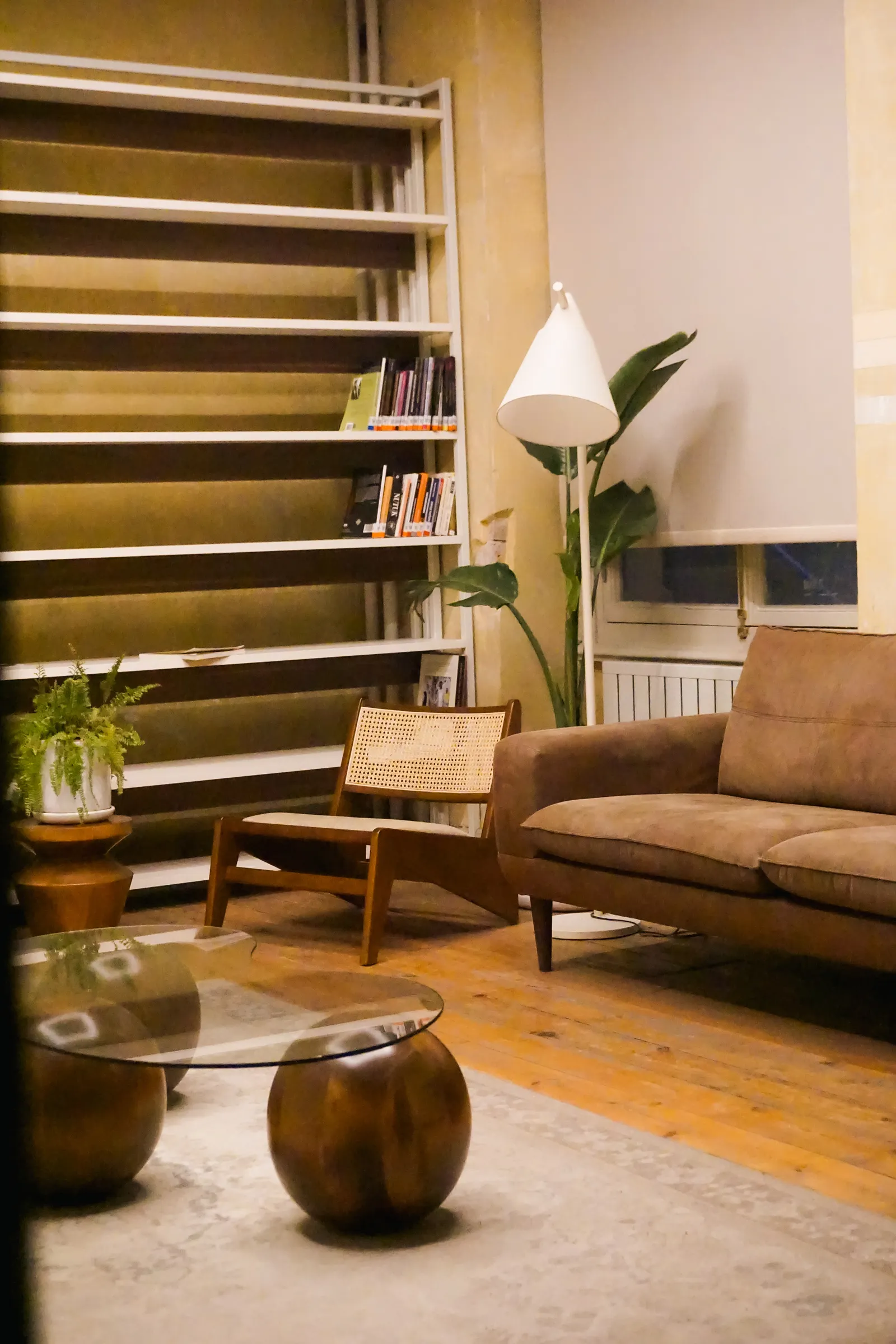
The first meeting should turn a general wish into a usable brief. You do not need to arrive with every finish chosen, but you should be able to explain who uses the home, what is difficult today and which decisions are urgent. For a project in Hofuf, bring the actual address and site circumstances as well as your inspiration images. Local delivery arrangements matter as much as the proposed look.
Explain a normal day in the home
Describe morning routines, meals, work, study and evenings, then explain how the home changes when guests arrive. Who needs quiet? Where do school bags or serving items accumulate? Which rooms are underused? These observations help the designer avoid organising the plan around photographs alone. Ask how the proposed process will capture the needs of different family members. Agree who consolidates their feedback so the designer receives a coherent response rather than several contradictory instruction streams.
Separate the rooms from the work
Saying the whole house needs design can hide very different expectations. For each room, state whether you want a new layout, surface finishes, fitted storage, lighting choices or loose furniture. Identify items to keep and rooms that should remain usable during work. Ask what information is sufficient for an initial proposal and what requires a measured visit. A room-by-room list makes exclusions visible early and helps prevent an attractive whole-house fee from being compared with a much narrower appointment.
Discuss the budget in usable parts
Tell the designer whether your figure covers design fees, construction, furniture, appliances and delivery, or only some of these. If the budget is not settled, identify an affordable overall limit and the decisions that would justify spending more. Ask how the team checks the proposed design against that limit and when supplier quotations enter the process. Avoid presenting an optimistic number as a confirmed budget; uncertainty is manageable when it is visible to both parties.
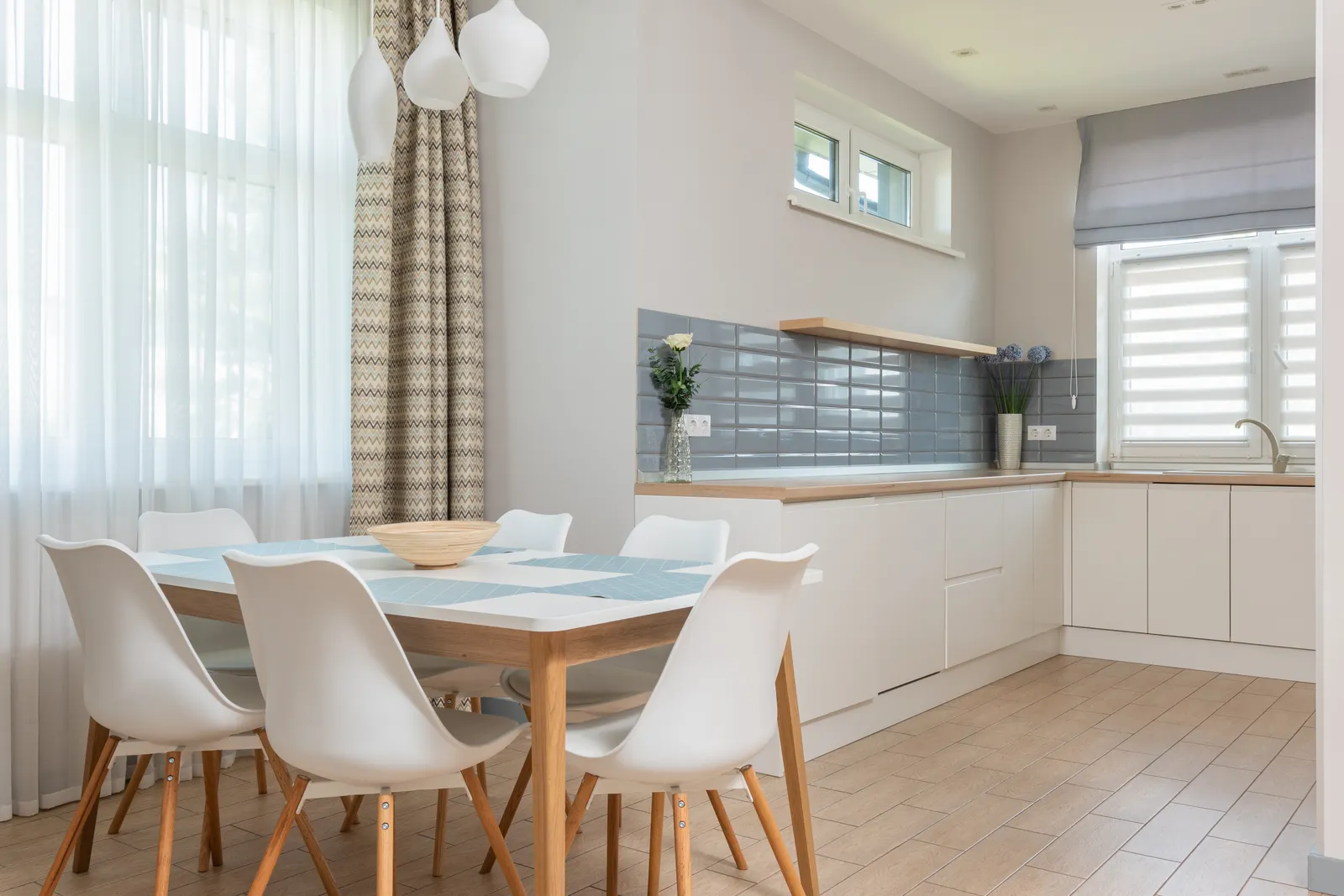
Ask what happens between presentations
Find out how requirements become layouts, how layouts become selections, and when the proposal becomes detailed enough to price or build. Ask how many alternatives and revision rounds are included. Establish how comments are recorded and how the designer distinguishes a correction from a changed brief. Request the expected owner decisions at each stage. You may discover that the programme depends more on timely appliance or furniture choices than on the date of the first visual presentation.
Make the Hofuf site arrangements specific
Provide the location, access arrangements and whether the home is occupied. Ask who attends the survey, which visits are included and how site questions are answered between visits. If samples or furniture come from elsewhere, establish who receives, checks and stores them. Ask how photographs and keys will be handled with your permission. A local address does not automatically mean unlimited site attendance; the practical promise should be expressed in the actual appointment.
Leave with decisions and next steps
At the end, ask the designer to summarise the understood scope and missing information. Record who will provide each item and when the quotation can follow. Confirm the legal business identity before moving into an appointment; the Ministry of Commerce enquiry is one official verification route. Keep a meeting note that distinguishes decisions from suggestions. If two providers interpret your brief differently, correct the brief and send the same clarification to both before comparing their fees.
Your practical checklist
- Bring plans, photographs and a retained-furniture list.
- State which budget items are included.
- Identify household priorities and one approval contact.
- Ask for deliverables, revisions and site-visit scope.
- Record the information needed for the next proposal.
Frequently asked questions
Should I choose a style before the meeting?
A few references help, but explain what you like in them. A clear account of use and constraints is more valuable than forcing every room into a style label.
Can I obtain a final quotation without a site visit?
Ask what assumptions the quotation depends on and whether measurement may change it. The answer depends on the service and information available, so distinguish an indicative proposal from an agreed final scope.
What if family members disagree?
Bring the disagreement as a decision to resolve. Separate essential needs from aesthetic preferences, then agree who gives consolidated feedback so alternatives can be compared fairly.
Sources and further reading
Sources support the specific facts identified below. Planning examples and checklists are editorial guidance; photographs are illustrative.
- Saudi Ministry of Commerce — Commercial registration enquiry — Official business identity enquiry.