
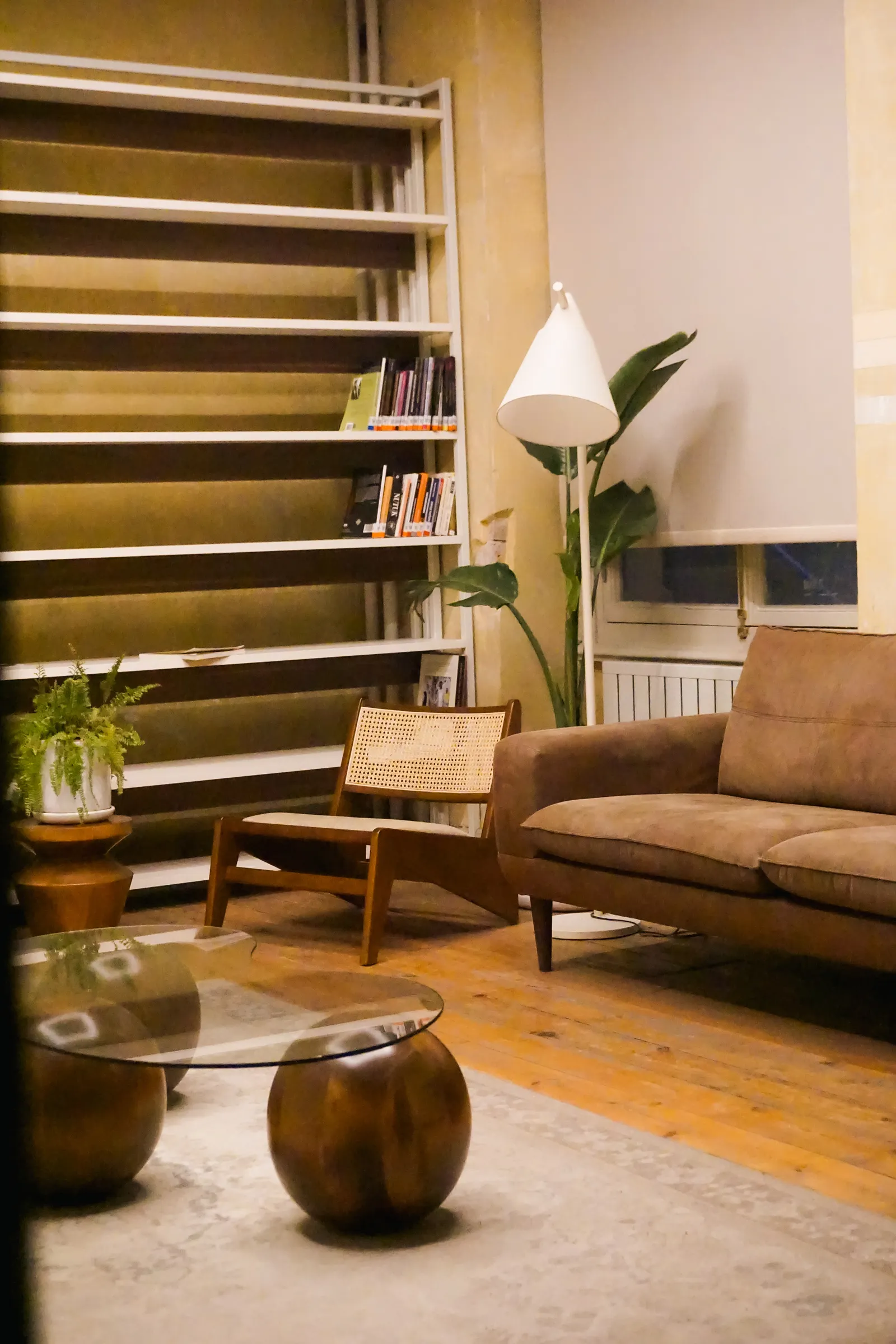
A portfolio is most useful when it helps you understand how a designer makes decisions. Beautiful images are a starting point, but your home also needs workable circulation, storage, suitable materials and a process you can follow. Read a small number of relevant projects closely. Ask what the team actually did, how the proposal changed and what evidence is available for the completed result.
Choose comparable problems
Select projects comparable in use and constraints, not merely in colour. A compact occupied apartment, a new villa and a commercial reception area pose different questions. If you need a family living room that accommodates guests occasionally, ask for a project where daily use and entertaining were balanced. Explain what you see as similar and let the designer clarify the differences. This prevents a dramatic photograph from standing in for evidence relevant to your own brief.
Label each kind of image
Ask which images are concepts, digital renders, photographs during construction and photographs after completion. Each can be valuable when labelled correctly. A render demonstrates an intended composition; a completed photograph offers evidence about visible execution. Neither by itself proves that every service or hidden detail works well. Request consistent viewpoints where available so you can follow a design from proposal to completion. Do not require private client material that the designer has no permission to share.
Establish the team’s actual role
Ask whether the provider created the concept, developed drawings, selected furniture, supervised visits or carried out construction. A company may show a collaborative project where its contribution covered only one part. That is not a problem if it is explained. Match the claimed role to the service you plan to buy. If you need detailed joinery coordination, ask who prepared those details in the example and who would prepare yours. Clarify who owns the day-to-day relationship.
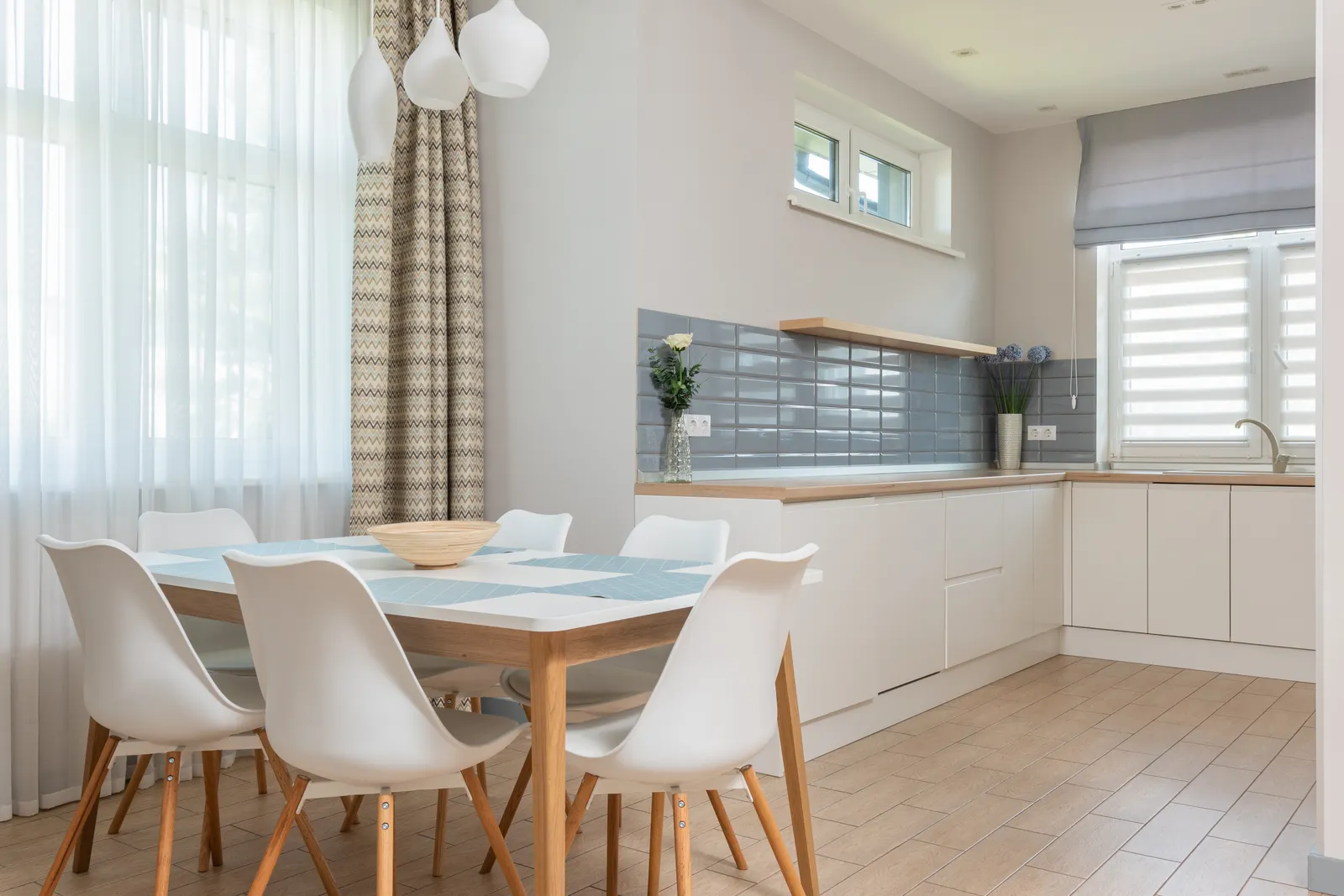
Look beyond the styled photograph
Use the image to ask practical questions. Where are everyday items stored? Can the seating arrangement change? What happens when a cabinet or room door opens? How was a material chosen for the household’s cleaning habits? Ask for a layout or selected detail that explains one answer. The aim is not to find fault with another home, whose brief may differ from yours, but to understand whether the designer can explain trade-offs in specific and useful language.
Discuss changes and limits
Ask the designer to describe a decision that changed after client feedback or site information. What was revised, who approved it and how was the change communicated? You are assessing the method, not seeking confidential costs or disputes. A hypothetical example can still explain the workflow if clearly identified. If a reference client is available with consent, focus on communication, clarity of deliverables and handling of observations. One reference is an individual experience, not a statistical measure of reliability.
Convert impressions into a comparison
After reviewing each portfolio, record the relevant example, verified role, useful evidence and unanswered questions. Add a separate column for how well the provider understood your brief during discussion. Keep aesthetic preference distinct from delivery confidence so an exciting style does not obscure missing outputs. CIDQ’s description includes project documentation; ask to see the kind of document your own appointment promises. Your final comparison should connect visible work with an explained process and a defined proposal.
Your practical checklist
- Choose two or three genuinely comparable projects.
- Label renders and completed photographs.
- Record the provider’s specific contribution.
- Ask one practical question about each example.
- Keep references and image sharing subject to permission.
Frequently asked questions
Is a portfolio of renders a reason to reject a designer?
Not automatically. Renders can demonstrate ideas and presentation skills. Ask what other evidence supports the service you need, especially if it includes execution or site follow-up.
Must I visit a completed home?
A permitted visit may help, but is not always available. Detailed explanations, appropriate documents and references with consent can provide other useful evidence. Respect the homeowner’s privacy.
How many projects should I review?
Enough to test the relevant abilities and resolve your main doubts. A close discussion of a few suitable projects is usually more informative than quickly scrolling through many unrelated photographs.
Sources and further reading
Sources support the specific facts identified below. Planning examples and checklists are editorial guidance; photographs are illustrative.
- CIDQ — What is interior design? — Project documentation is part of the professional scope.